

Emergency Garage Door Repair in Calgary: What To Do Right Now
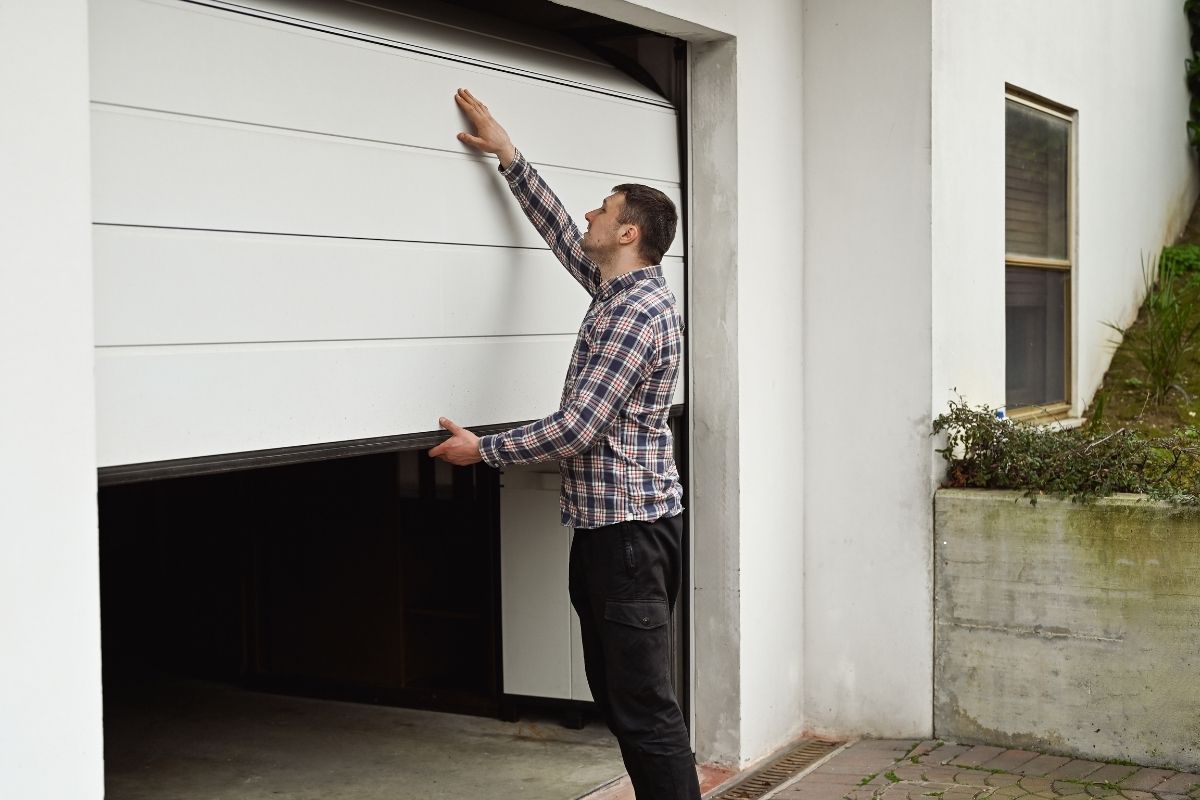
If your garage door suddenly stops working, the first priority is not figuring out how to repair it. It is making sure the door cannot injure someone or become more damaged.
A broken spring, snapped cable, off-track door or opener failure can leave the garage door stuck open, stuck closed or sitting unevenly. If you need emergency garage door repair in Calgary, start by stopping operation, keeping everyone away from the door and checking the situation from a safe position.
Key Takeaways
- Stop using the garage door if it is crooked, partly off track, unusually heavy, or has a visible broken spring or cable.
- Keep children, pets and vehicles away from a damaged or unstable door.
- Never adjust garage door springs, cables or bottom brackets yourself; these components can be under significant tension.
- Do not pull the emergency release on a raised or unstable door simply because the opener will not move it.
- Note the door’s position and visible damage before calling so the garage door problem can be assessed more clearly.
What Should You Do First in a Garage Door Emergency?
If the door has failed unexpectedly, avoid repeatedly pressing the remote or wall button to see whether it will start working again.
Instead:
- Stop operating the door.
- Keep people and pets away from it.
- Do not stand or walk underneath a partly open door.
- Look for visible damage without touching springs, cables or brackets.
- Note whether the door is fully open, fully closed, partly open or sitting crooked.
- If it appears mechanically damaged or unstable, leave it in place and arrange professional assessment.
Garage doors are heavy moving systems. LiftMaster’s safety instructions state that no one should go underneath a stopped, partially open garage door.
What Type of Garage Door Emergency Are You Dealing With?
You do not need to diagnose the exact failed component yourself. A few visible signs can help you decide whether to stop troubleshooting.
| What You Notice | What It May Indicate | What To Do Right Now |
|---|---|---|
| Loud bang followed by a door that will not lift normally | Possible broken spring | Stop operating the door and do not touch the spring |
| Loose, hanging or snapped cable | Cable failure | Stay clear and do not attempt to reconnect it |
| Door is crooked or rollers have left the track | Off-track door | Stop operation immediately |
| Door is stuck fully open | Mechanical or opener problem | Keep the area clear and address the security risk |
| Door is stuck fully closed | Several mechanical or opener causes are possible | Do not force it open |
| Door looks normal but opener does nothing | Power, control, sensor or opener issue may be possible | Basic external checks may be reasonable if no mechanical damage is visible |
These observations are only for initial triage. A garage door can have more than one problem at the same time.
What If You Have a Broken Garage Door Spring?
A broken spring can make a garage door extremely difficult for the opener to lift because the spring system normally helps counterbalance the weight of the door. A visible separation in a torsion spring above the door can be one sign of failure.
If you suspect a broken spring:
- stop using the opener;
- do not attempt to wind or adjust the spring;
- do not loosen nearby hardware;
- keep people away from the door; and
- arrange spring repair.
This emergency article does not need to diagnose every type of spring failure. If you are unsure what you are seeing, the dedicated broken garage door spring symptoms resource can help you identify the common signs without attempting a repair.
What If a Garage Door Cable Has Snapped?
Garage door cables work with the spring system to control the door’s movement.
A failed cable can leave the door uneven or unstable. Clopay recommends professional inspection when cables are frayed or damaged and warns against attempting cable repair or replacement yourself.
If a cable is loose, frayed, off its drum or visibly broken, do not pull on it or try to put it back into position.
Also avoid touching the bottom brackets where garage door cables commonly attach. These brackets can be under significant tension.
What If the Garage Door Is Off Track?
A garage door off track emergency may be obvious because the door looks crooked, a roller has left the track or one side of the door is sitting higher than the other.
Stop operating it.
Do not repeatedly run the opener and do not try to push or force the door back into the tracks. An off-track door can be unstable, and forcing it may increase the damage. Clopay advises stopping operation and having an off-track door professionally repaired.
For a deeper explanation of why this happens, use the separate garage door off-track problems and common causes resource rather than trying to diagnose the track system during the emergency.
What If the Garage Door Is Stuck Open?
A garage door stuck open creates two separate concerns: the condition of the door and the security of the garage.
First, stay away from the opening if the door is crooked, partly supported, off track or otherwise unstable.
Do not attempt to force it down.
If the door cannot be safely closed, secure access from the garage into the home where applicable and keep valuables out of easy reach while arranging repair.
Do not stand beneath the raised door while inspecting it.
A stuck-open door with a broken spring, damaged cable or track problem should be treated differently from a door that simply has an opener-control problem.
What If the Garage Door Is Stuck Closed With Your Car Inside?
A garage door stuck closed can be frustrating when a vehicle is trapped inside, but getting the car out does not justify taking risks with a damaged door.
Before considering manual operation, look from a safe position for obvious signs of mechanical failure:
- a broken spring;
- a loose or snapped cable;
- an off-track roller;
- a crooked door; or
- other visible damage.
If any of those conditions are present, do not attempt to lift the door manually.
If the door appears mechanically intact and the problem seems limited to the automatic opener, consult the opener manufacturer’s instructions before using its emergency-release system.
For problems where the door simply will not open and there is no obvious emergency damage, the dedicated garage door not opening resource provides more appropriate troubleshooting.
Can You Manually Open a Garage Door During an Emergency?
Homeowners searching how to manually open garage door often assume the red emergency-release handle is always the next step.
It is not.
LiftMaster warns that, if possible, the emergency release should be used only when the garage door is closed. A weak or broken spring or an unbalanced door can allow a raised door to fall rapidly or unexpectedly after it is disconnected from the opener. The doorway must also be clear before the release is used.
Do not pull the emergency release simply to overcome:
- a broken spring;
- a snapped cable;
- an off-track door;
- a crooked door;
- a partly open unstable door; or
- a door that appears unusually heavy.
If the door is fully closed, appears mechanically intact and the problem is limited to the opener or electrical power, follow the manual-release instructions for your specific opener model.
What Can You Safely Check Before Calling?
Not every garage door emergency requires you to investigate the mechanism.
If the door is stable and there is no visible spring, cable or track damage, a few external observations can help.
You can note:
- whether the opener has power;
- whether the wall control or remote responds;
- whether anything is visibly blocking the door opening;
- whether the safety-sensor area is obstructed;
- whether the door is level;
- whether a spring visibly appears separated;
- whether a cable is loose or hanging; and
- whether the opener displays a visible diagnostic light or code.
If the problem appears to involve the opener rather than the door itself, check the manufacturer’s instructions before changing settings.
Do not open the opener housing or handle internal electrical components.
What Photos Can Help Explain the Problem?
If you can take photos without standing underneath or approaching an unstable door, they can help document what happened.
Useful photos may include:
- the entire garage door from inside the garage;
- the position of the door in the opening;
- the spring area above the door;
- the side where the door appears crooked;
- a visibly loose cable or displaced roller from a safe distance; and
- any visible opener indicator or error display.
Do not climb around a damaged door or move components simply to get a better photo.
Also note what happened immediately before the failure. For example: Did you hear a bang? Did the door stop halfway? Did one side rise while the other stayed down? Did the opener run without moving the door?
Those details can be more useful than trying to identify the failed part yourself.
What Should You Never Do During a Garage Door Emergency?
Some garage door components should not become DIY emergency repairs.
Do not:
- wind, stretch or adjust garage door springs;
- pull or reconnect damaged cables;
- loosen bottom brackets;
- force rollers back into tracks;
- force a crooked door open or closed;
- repeatedly operate an opener against a jammed door;
- stand beneath a partly open door; or
- remove the garage door opener housing to investigate internal parts.
Clopay warns that springs, cables and hardware connected to the spring system can be under extreme tension and should not be adjusted or removed by an inexperienced homeowner.
If you are considering a hands-on repair rather than simply making the area safe, review the dedicated DIY garage door repair risks article first.
When Should You Call for Emergency Garage Door Repair in Calgary?
Some situations should move directly from observation to professional assessment.
Call for emergency garage door repair in Calgary when:
- the garage door is hanging crooked or off track;
- a spring is visibly broken;
- a cable has snapped or is hanging loose;
- the door is stuck partly open and appears unstable;
- the door is stuck open and you cannot secure the garage;
- the door could fall or move unpredictably;
- repeated operation could cause further damage;
- there has been vehicle or impact damage to the door; or
- you cannot safely determine what has failed.
A trapped vehicle can make the situation urgent, but it does not make unsafe manual lifting appropriate.
What Happens When You Contact Active Overhead Doors?
You do not need to know the technical name of the failed part before contacting Active Overhead Doors.
Start by explaining:
- whether the door is open, closed or partly open;
- whether it is straight or crooked;
- what happened immediately before it stopped working;
- whether you heard a bang or unusual noise;
- whether you can see a broken spring or loose cable; and
- whether a vehicle is trapped or the garage cannot be secured.
Active Overhead Doors can then assess the situation and provide a quote before moving to the appropriate repair or replacement.
Service vans carry common garage door springs, cables and opener parts, so many repair situations can be handled on the first visit when the required part is available.
After the repair, the garage door system should be operated and checked before being returned to normal use.
For general repair options, see Garage Door Repair Calgary. If the problem is specifically a failed spring, see Garage Door Spring Repair Calgary.
Frequently Asked Questions
What counts as an emergency garage door repair in Calgary?
A garage door problem becomes particularly urgent when the door is unstable, off track, has a broken spring or cable, is stuck partly open, cannot secure the garage, or creates a risk to people or property. A door that simply has a non-urgent control issue may not require the same immediate response.
What should I do if my garage door is stuck open?
Stop operating it and determine from a safe distance whether the door is crooked, off track or has visible spring or cable damage. Do not force it closed. Keep people away from the opening and secure access between the garage and home where applicable while arranging repair.
Can I manually open a garage door with a broken spring?
Do not use the emergency release as a general workaround for a broken spring. Manufacturer safety instructions warn that weak or broken springs can allow a raised or unbalanced door to fall unexpectedly after the opener is disengaged.
Should I pull the emergency release if the garage door is stuck?
Not automatically. First determine whether the door is fully closed and appears mechanically intact. Do not pull the release on a raised, crooked, off-track or visibly damaged door. Follow the instructions for your specific opener when manual operation is appropriate.
Can I repair a snapped garage door cable myself?
Garage door cables work with components under significant tension. A loose, frayed or snapped cable should be inspected and repaired professionally rather than pulled, reattached or adjusted by the homeowner.
Is an off-track garage door an emergency?
An off-track door can become unstable and should not continue operating. Stop using the opener, stay clear of the door and arrange professional repair rather than attempting to force the rollers back into place.