

DIY Garage Door Repair Risks Homeowners Should Know
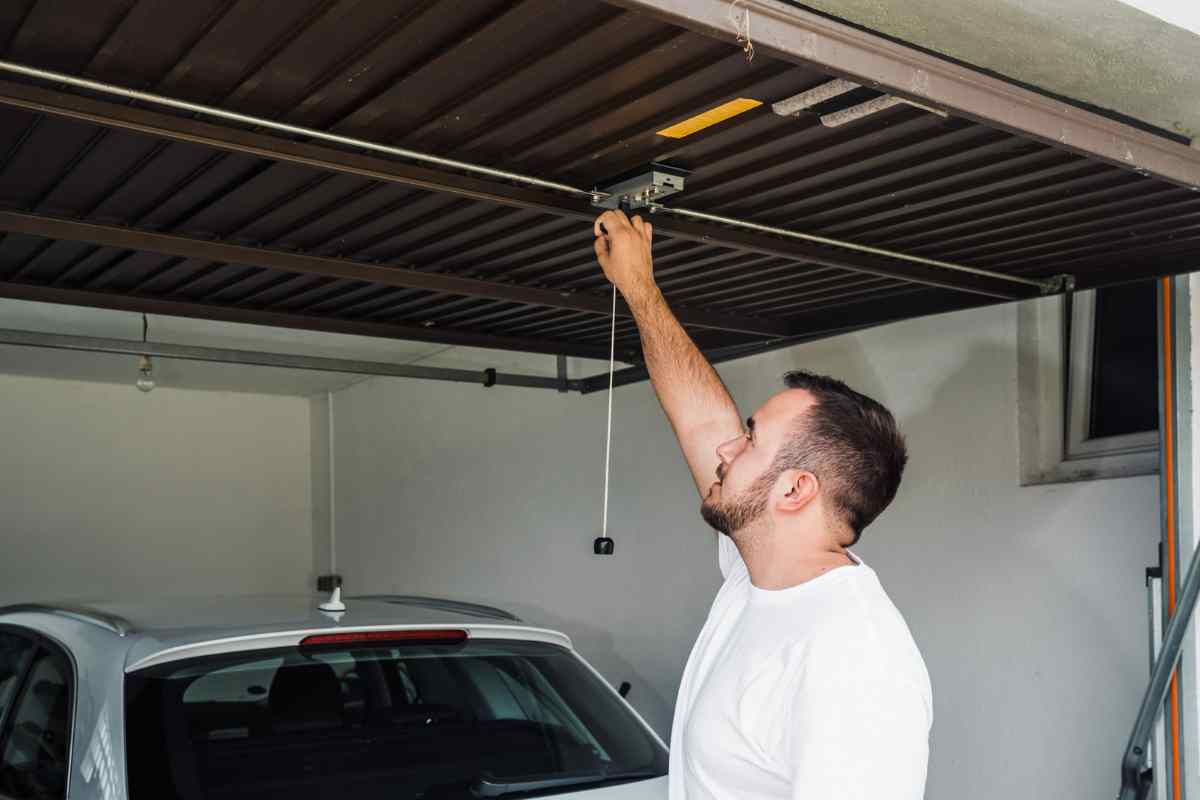
A garage door problem can feel simple at first. The door may be noisy, stuck, crooked, heavy, or refusing to close. Many homeowners think about fixing it themselves to save time or money.
But DIY garage door repair can be risky because a garage door is not just a flat panel. It is a heavy moving system with springs, cables, tracks, rollers, openers, brackets, sensors, and panels working together.
Some small checks are safe, such as looking for blocked sensors or visible damage. But repairs involving springs, cables, off-track doors, or heavy panels can be dangerous without the right tools and experience.
Published safety research has noted that thousands of garage door injuries happen each year, and some garage doors can weigh up to 400 pounds. In simple words, the risk is not only the broken part. The weight and tension in the system also matter.
Key Takeaways
- DIY garage door repair can be risky when springs, cables, tracks, or heavy panels are involved.
- High tension springs store force and should not be loosened, wound, or replaced by homeowners.
- Broken cables, off-track doors, and heavy panels can move suddenly if forced.
- Safe homeowner checks should usually be visual only.
- Calgary cold, ice, snow, and road salt can make worn parts harder to move or easier to misjudge.
Tip: If the door is crooked, heavy, off track, or has a broken spring or loose cable, stop using it and avoid forcing the opener.
DIY Garage Door Repair Risks At A Glance
The biggest garage door repair risks usually come from weight, tension, and sudden movement.
A garage door may look still, but parts of the system can still be under pressure. Springs help lift the door. Cables help control movement. Tracks guide the rollers. The opener moves the door only when the door is balanced correctly.
If one part is damaged, another part may be under extra strain.
Common risks include:
- Spring tension release
- Cable snapback
- Falling or shifting panels
- Off-track door movement
- Opener strain
- Pinched fingers
- Sharp or broken hardware
DIY garage door repair can be risky because garage doors are heavy and use parts under tension. Springs, cables, tracks, rollers, openers, and panels all work together, so one wrong adjustment can cause sudden movement, injury, or more damage.
Garage Door Spring Danger And High Tension Springs
Garage door spring danger is one of the main reasons DIY repairs can become unsafe.
Springs help carry the weight of the garage door. When the door closes, the spring system stores energy. When the door opens, that stored energy helps lift the door.
High tension springs are not like simple household parts. If they are loosened, removed, or wound the wrong way, they can release force suddenly.
This can cause serious injury and can also damage nearby parts.
A broken spring may show signs such as a loud bang, a door that feels very heavy, a gap in the spring, or a door that opens only a few inches. If these signs appear, homeowners should avoid lifting the door by hand or trying to replace the spring.
Garage door spring danger comes from stored tension. High tension springs help lift the weight of the door, and if they are loosened, removed, or wound incorrectly, they can release force suddenly and cause serious injury.
Broken Cables, Off-Track Doors, And Heavy Panels
Broken garage door cables are another serious repair concern.
Cables help support the door and keep movement even. If a cable is frayed, loose, slipped, or broken, the door may become crooked, heavy, or unstable.
An off-track door is also risky. Some homeowners may try to push the rollers back into the track, but forcing the door can bend the track more or make the panel shift suddenly.
Heavy garage door panels can create another safety issue. If a panel is damaged or unsupported, it may move without warning during repair.
Broken cables and off-track doors should not be forced. Cables help support door weight, while tracks guide movement. If either part fails, the door may move unevenly, drop, jam, or create a serious safety risk.
Overhead Door Safety And Opener Strain
A garage door opener is not designed to force a damaged door.
The opener should move a balanced door smoothly. If the door is stuck, crooked, too heavy, or off track, forcing the opener can make the issue worse.
This can strain the motor, damage hardware, pull on cables, or cause the door to move unevenly.
Modern garage door opener safety standards exist because closing doors can create entrapment and injury risks. Safety features such as reversing systems and sensors are important, but they do not make every damaged door safe to operate.
If the opener starts, stops, reverses, hums, or struggles, the problem may be with the door system rather than the opener itself.
A garage door opener should not be used to force a stuck or damaged door. The opener is designed to move a balanced door, not pull through broken cables, bent tracks, damaged springs, or heavy panel problems.
Repair Safety Tips Homeowners Can Follow
Some garage door checks are safe when they are visual only.
The goal is to observe the problem, not adjust dangerous parts. Do not loosen springs, pull cables, remove brackets, push an off-track door, or place hands near moving rollers.
Homeowners can safely check:
- Blocked safety sensors
- Remote or wall button response
- Visible cable fraying from a distance
- Broken spring gaps without touching the spring
- Bent tracks or loose visible hardware
- Ice or debris near the bottom seal
- Uneven movement while standing away from the door
If the door is crooked, heavy, stuck, noisy, or moving unevenly, stop using it.
Safe homeowner checks should be visual only. Look for frayed cables, broken springs, bent tracks, loose hardware, blocked sensors, damaged seals, or uneven movement, but avoid adjusting springs, cables, drums, or any tension-loaded part.
When Professional Garage Door Repair Is Safer
Professional garage door repair is safer when the problem involves tension, weight, balance, or unstable movement.
This includes broken springs, loose or frayed cables, off-track doors, damaged panels, bent tracks, opener strain, or a door that feels too heavy to lift.
These problems can worsen if the door is forced. A repair that seems small can become more serious when springs, cables, tracks, or panels are affected.
Homeowners who notice these warning signs can use professional garage door repair as the safer next step instead of trying to adjust the system themselves.
Active Overhead Doors helps Calgary homeowners with repair, installation, and safety-related garage door concerns when a door is unsafe to operate.
Professional garage door repair is safer when the door is crooked, heavy, off track, stuck, noisy, has broken springs, frayed cables, or opener strain. These signs can point to tension, balance, or movement problems that should not be forced.
Preventing Risky Garage Door Repair Situations
The safest repair is often the one prevented early.
Regular maintenance can catch small problems before they become risky. Loose hardware, worn rollers, weak springs, frayed cables, poor balance, damaged seals, and opener strain may all show early signs.
This does not mean homeowners need to repair these parts themselves. It means they should notice changes early.
Listen for new sounds. Watch for uneven movement. Check whether the door closes fully. Look for gaps, frayed cables, sensor issues, or damaged seals.
If something changes, avoid forcing the door. A simple inspection can often prevent a larger and riskier repair later.
Conclusion
Garage doors are heavy systems with parts that work under tension, weight, balance, and movement. That is why small repair mistakes can create real safety risks.
DIY garage door repair may be safe only for simple visual checks, such as looking for blocked sensors, visible damage, or ice around the door area. But springs, cables, off-track doors, heavy panels, and opener strain should be handled carefully.
If the door is crooked, heavy, stuck, noisy, off track, or showing cable or spring damage, stop using it. The safer choice is to avoid forcing the system and get the problem checked properly.
FAQs
Can I Replace A Garage Door Spring Myself?
Replacing a garage door spring is not a safe DIY repair for most homeowners. Springs are under high tension and can release force suddenly if they are handled, wound, or removed incorrectly. If a spring is broken or the door feels too heavy to lift, the safer choice is to stop using the door and have the spring system checked by a trained technician.
Is It Safe To Open A Garage Door With A Broken Cable?
It is not safe to keep using a garage door with a broken or loose cable. Cables help support door weight and keep the door moving evenly, so cable failure can make the door crooked or unstable. Do not pull the cable or try to reconnect it by hand. Avoid using the opener until the problem is inspected.
What Should I Do If My Garage Door Is Stuck Halfway?
If the garage door is stuck halfway, do not force it open or closed. A stuck door can involve spring tension, cable problems, track issues, opener strain, or panel misalignment. Stand clear of the door, avoid touching moving parts, and check only for obvious visual issues like blocked sensors or debris from a safe distance.
Can A Garage Door Opener Make A Broken Door Worse?
Yes, an opener can make the problem worse if it is used to force a stuck, crooked, or damaged door. The opener is made to move a balanced door, not pull through broken parts. If the opener hums, reverses, stops, or struggles, stop using it until the door system is checked.
What Garage Door Repairs Are Safe For Homeowners?
Homeowners can usually handle simple checks like replacing remote batteries, clearing sensor blockage, cleaning the door area, or looking for visible damage from a safe distance. Repairs involving springs, cables, drums, tracks, heavy panels, or balance problems should not be treated as basic DIY tasks.
How Can I Tell If A Garage Door Repair Is Urgent?
A repair may be urgent if the door is crooked, heavy, stuck open, stuck halfway, off track, has a broken spring, has loose cables, or will not close safely. These signs can affect safety and security, so the door should not be forced or used repeatedly.