

Noisy Garage Door Causes Calgary Homeowners Should Know
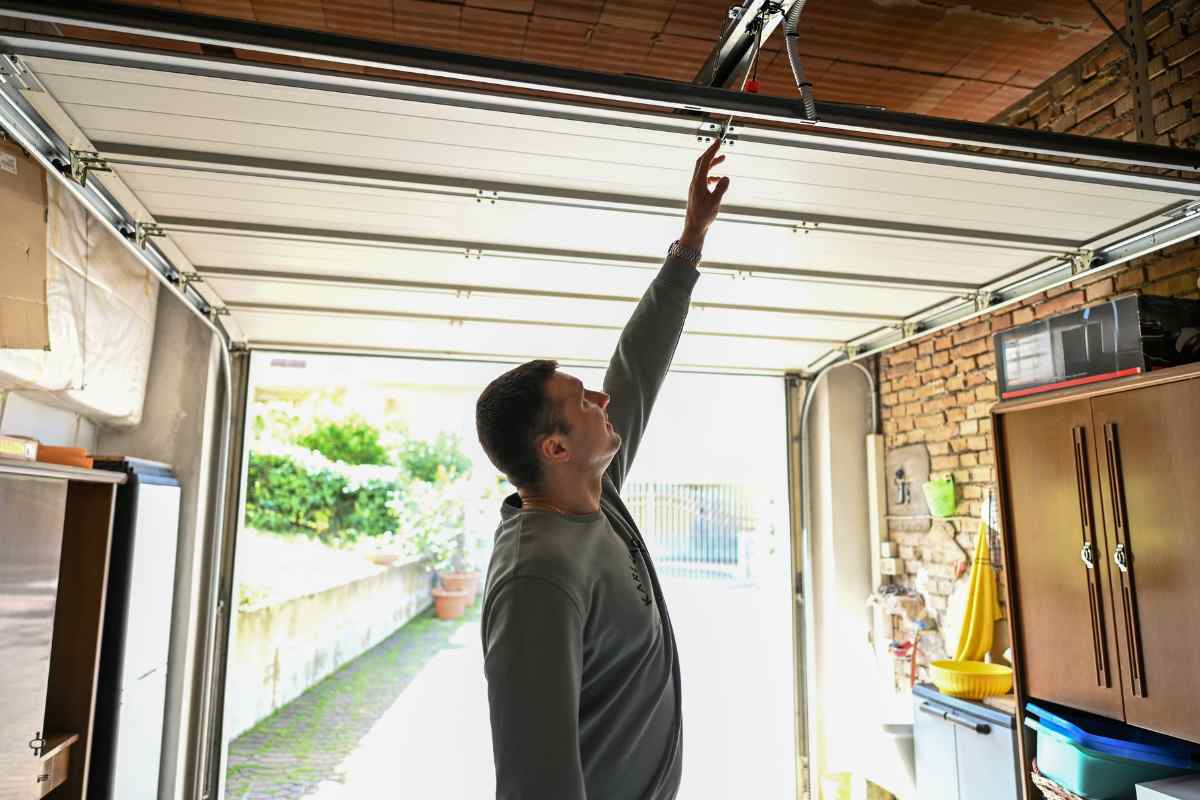
A garage door will always make some sound when it opens and closes. But sudden squeaking, grinding, rattling, banging, or humming is different.
If the sound is new, louder than before, or getting worse, it may be an early warning sign. Many noisy garage door causes come from dry moving parts, worn rollers, loose hardware, track vibration, opener strain, or weather-related wear.
The good news is that not every sound means a major repair. Some noises may come from simple lubrication issues or loose visible hardware. But if the noise comes with jerking, uneven movement, or the door getting stuck, it should be checked before the problem grows.
Garage door springs are commonly rated by cycles, and one cycle means one open and one close. Many residential torsion springs are rated around 10,000 cycles, so repeated daily use naturally wears parts down over time.
Key Takeaways
- Sudden garage door noise can be an early sign of wear or loose parts.
- The garage door can make a squeaking sound when the hinges or the rollers are dry and need some oil.
- Sometimes the garage door springs can also cause the squeaking sound if they are not lubricated properly.
- When the garage door rollers are worn out they can make a grinding sound. This can also happen when the track is causing too much friction or the opener is working too hard.
Tip: If your garage door makes a new loud sound, note when it happens, where it comes from, and whether the door moves smoothly before using it again.
Sudden Garage Door Noise And What It Usually Means
Some garage door sounds are normal. You may hear the opener running, the door moving through the tracks, or the panels shifting slightly.
The concern starts when the sound changes. A door that suddenly squeaks, grinds, rattles, bangs, or hums may be showing signs of wear.
Common noisy garage door causes include worn rollers, dry hinges, loose hardware, track vibration, opener strain, and spring or cable issues.
Many homeowners first notice the noise in the morning, after cold weather, or after the door has not been used for several hours. That timing can matter because cold parts, dry metal contact points, or stiff rollers may sound louder at first movement.
A simple listen and watch check can help. Active Overhead recommends observing the door while it opens and closes, listening for grinding, scraping, or squeaking, and watching whether the door moves smoothly without jerking.
Garage Door Squeaks When Opening Or Closing
A squeaking garage door usually means something is creating friction.
This can happen when hinges, rollers, bearings, springs, or other moving parts are dry. When metal parts move without enough lubrication, they can rub and create a high-pitched squeak.
If your garage door squeaks when opening, the door may still work for now. But the sound should not be ignored if it keeps getting louder.
Lubrication issues are one of the simpler noisy garage door causes, but lubrication is not a cure for every problem. If a roller is worn, a hinge is damaged, or the spring is under strain, lubricant may only reduce the sound for a short time.
Dry Hinges, Rollers, And Springs
Dry moving parts can make the door sound rough during every cycle.
The sound may be worse at certain points in the opening or closing movement. This can help show where the friction is happening.
When Lubrication Helps And When It Does Not
Proper garage door lubricant may help reduce squeaking from dry hinges, rollers, and bearings.
However, if the sound comes with grinding, jerking, or visible damage, the issue may be more than dryness.
Grinding Door Sounds From Rollers, Tracks, Or Opener Parts
Grinding door sounds should be taken more seriously than light squeaking.
Grinding can happen when rollers are worn, metal parts rub, tracks are misaligned, or opener parts are under strain. It may sound like scraping, dragging, or rough metal contact.
Worn rollers are a common reason. Rollers guide the door through the track. If they stop turning smoothly, the door may scrape, shake, or drag through the opening.
Track vibration can also make the sound louder. If brackets, tracks, or rollers are loose, the vibration can travel through the door system and make a small issue sound bigger.
Worn Rollers And Rough Movement
Worn rollers may create loud rolling, scraping, or shaking sounds.
If the door jerks at the same spot each time, the roller or track may be part of the problem.
Track Friction And Vibration
Tracks should guide the door smoothly.
If the track is loose, dirty, bent, or vibrating, the door may sound louder during movement.
Rattling Overhead Door From Loose Hardware
A rattling overhead door often points to loose hardware.
Garage doors move many times over the years. That repeated movement can loosen bolts, hinges, brackets, track supports, and opener mounts.
Rattling may start as a small vibration. Over time, it can become louder if the loose part continues moving during each cycle.
This does not always mean the door is failing. But rattling should be checked because loose parts can affect alignment, movement, and long-term performance.
Homeowners can safely look for visible loose hardware from a distance. Avoid touching springs, cables, or brackets that appear under tension.
Opener Humming And Loud Noise When Opening
Opener humming can be confusing because the sound may seem like it comes from the motor, not the door.
Sometimes the opener is the issue. Other times, the opener is only struggling because the door is heavy, stuck, unbalanced, or moving roughly.
A garage door opener is designed to move a balanced door. It should not have to force a door with worn rollers, spring strain, track friction, or cable problems.
If the opener hums but the door barely moves, stop testing it repeatedly. This can strain the motor or internal opener parts.
Chain And Belt Drive Noise
Chain drive openers are usually louder than belt drive openers.
Belt drive openers are often quieter, but they can still make noise if parts are worn, loose, or under strain.
Humming With Little Or No Door Movement
Humming with little movement can mean the opener is trying to work but the door system is resisting.
That resistance may come from the opener, rollers, springs, tracks, or door balance.
When Should You Stop Using a Noisy Garage Door?
Some noises can be monitored, but others should make you stop using the door.
Stop using the door if the noise comes with jerking, uneven movement, loud grinding, banging, stuck movement, or opener humming while the door barely moves.
These noisy garage door causes can point to worn rollers, spring tension issues, track problems, loose hardware, or opener strain.
Homeowners can safely do a few basic checks:
- Listen for where the sound comes from
- Look for visible loose hardware
- Check for debris near the tracks
- Notice whether the door moves evenly
- Avoid touching springs, cables, or tension parts
Regular maintenance can reduce some noise by addressing dry parts, loose hardware, and worn rollers early. But if the sound is repeated, getting worse, or connected to rough movement, repair may be needed.
Homeowners dealing with repeated noise, rough movement, or visible wear can review the practical Garage Door Repair guidance. Active Overhead Doors can inspect Calgary garage doors to confirm whether the noise is coming from rollers, tracks, hardware, springs, or the opener.
Conclusion
Garage door noise can come from many places. Squeaking may point to dry parts. Grinding may come from worn rollers or track friction. Rattling can come from loose hardware. Humming may point to opener strain.
The important thing is to notice the pattern. A sound that is sudden, repeated, louder than before, or connected to rough movement should not be ignored.
Many noisy garage door causes are easier to fix early than after the door becomes stuck, uneven, or unsafe.
If the sound continues after basic checks, avoid forcing the door and have the full system inspected.
FAQs
Can A Noisy Garage Door Be Fixed With Lubrication Only?
Sometimes lubrication can help, especially if the sound comes from dry hinges, rollers, bearings, or springs. A squeaking garage door may become quieter after proper lubrication. But lubrication will not fix worn rollers, damaged tracks, loose hardware, opener issues, or broken parts. If the noise continues after lubrication, the cause should be checked more closely.
Why Does My Garage Door Make Noise Only In Winter?
Winter can make garage door parts stiffer and can affect lubrication, rollers, tracks, and seals. Cold weather can also make existing wear sound louder than usual. If the noise only happens in cold weather but the door still moves smoothly, maintenance may help. If it comes with jerking, grinding, or stuck movement, it should be inspected.
Is A Grinding Garage Door Dangerous?
If your garage door is making a grinding noise it can be a problem. The garage door is a safety concern if the grinding noise happens a lot or gets louder. This grinding noise with the garage door may mean that there is much friction the rollers on the garage door are worn out there is a problem with the track or the opener on the garage door is working too hard. If the garage door also shakes, does not move evenly or has trouble opening you should stop using the garage door. Not try to force the opener, on the garage door to work.
Should I Tighten Garage Door Hardware Myself?
You can visually check for loose visible hardware, but be careful. Do not touch springs, cables, brackets under tension, or any part you are unsure about. If the rattling is near tension parts or the door moves roughly, it is safer to have the system inspected instead of trying to tighten everything yourself.
Why Is My Garage Door Louder After A Repair?
A garage door may sound slightly different after a repair because new parts, adjusted tension, or changed movement can affect the sound. However, loud grinding, repeated rattling, harsh squeaking, or rough movement after repair should be reviewed to confirm everything is aligned and working properly.
Can A Noisy Garage Door Damage The Opener?
Yes, if the noise comes from resistance in the door system. Worn rollers, track friction, poor balance, or stuck movement can make the opener work harder.