

How To Test Your Garage Door Balance
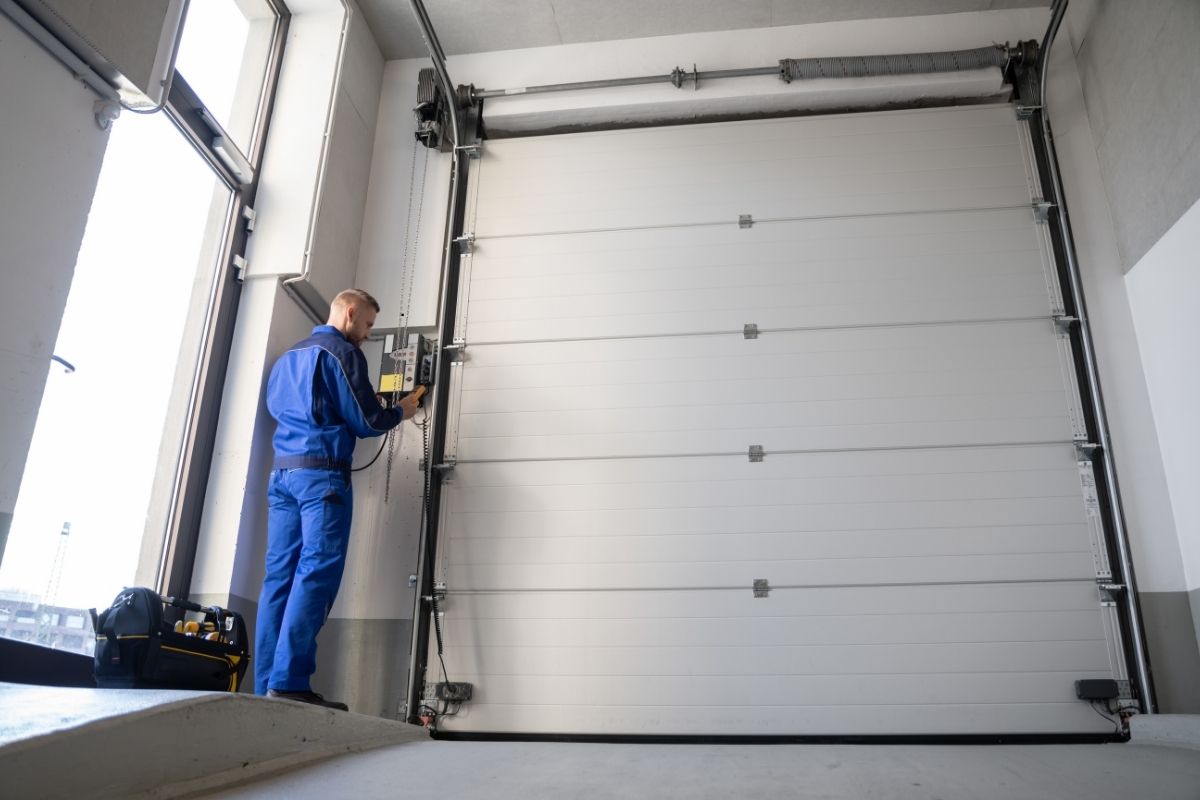
Garage Door Balance means the door is properly supported by its spring system. A balanced garage door should open, close, and stay in position without feeling too heavy or dropping quickly.
This matters because the opener is not meant to carry the full weight of the door. It is designed to move a door that is already balanced and moving smoothly.
Some garage doors can weigh up to 400 pounds. In simple words, the spring system helps control a lot of weight, so balance problems should be taken seriously.
Homeowners can do a basic test to check movement, but they should not adjust springs, cables, drums, or tension-loaded parts. Testing is safe when done carefully. Adjusting spring tension is different and should be handled by someone trained.
Key Takeaways
- Garage door balance affects safety, opener strain, and smooth movement.
- A balanced door should stay near the halfway position during a basic manual test.
- A garage door unbalanced may feel heavy, close too fast, rise on its own, or fail to stay open.
- Torsion springs and extension springs both affect balance, but they should not be adjusted by homeowners.
- Calgary cold, ice, and stiff parts can make existing balance issues more noticeable.
Valuable Tip: Test balance only when the door is fully closed first, then disconnect the opener and lift slowly; never adjust springs yourself.
Garage Door Balance At A Glance
Garage Door Balance is about how well the spring system supports the door’s weight.
When the door is balanced, it should move smoothly and stay controlled. It should not feel extremely heavy, drop quickly, or rise on its own.
The spring system does most of the lifting support. The opener helps move the door, but it should not have to force a door that is too heavy or uneven.
A balance problem can affect more than movement. It can strain the opener, stress cables, wear rollers, and make the door less safe to use.
Garage Door Balance means the door is properly supported by its spring system and can move smoothly without feeling too heavy, dropping quickly, or rising on its own.
Check Garage Door Balance Safely
Homeowners can check garage door balance with a simple manual test.
Start with the door fully closed. Then disconnect the opener using the manual release handle. Modern residential garage door openers are required to include a manual release, which allows the opener to disconnect from the door when needed.
Only continue if the door looks stable and safe. If the door is crooked, has loose cables, has a broken spring, or is off track, do not test it.
Step 1, Disconnect The Opener
Pull the manual release only when the door is fully closed. This helps avoid sudden movement if the door is already unbalanced.
Step 2, Lift The Door Halfway
Lift the door slowly by hand to about halfway. Keep your hands clear of hinges, rollers, and track areas.
Step 3, Read The Result Safely
A balanced door should stay near the halfway position. If it drops, rises, feels very heavy, or moves unevenly, the door may be unbalanced.
To check garage door balance, close the door, disconnect the opener using the manual release, and lift the door halfway by hand. If it stays near that position, the balance may be okay.
Garage Door Unbalanced Signs To Watch For
A garage door unbalanced may show small signs before it becomes a major problem.
The door may feel heavy when lifted by hand. It may close too fast, rise on its own, or refuse to stay open. It may also move unevenly, shake, or make the opener work harder.
Some homeowners first notice the opener struggling. The opener may hum, reverse, move slowly, or sound louder than usual.
These signs do not always mean the opener is bad. The real issue may be spring tension, worn rollers, track resistance, cable problems, or door balance.
A garage door unbalanced may feel heavy, close too fast, rise on its own, fail to stay open, move unevenly, or make the opener struggle.
Torsion Springs, Extension Springs, And Door Balance
Garage door balance is closely connected to spring tension.
Torsion springs are usually mounted above the garage door. They twist and store tension as the door moves.
Extension springs usually run along the horizontal tracks. They stretch and contract as the door opens and closes.
Both spring systems help support the door’s weight. If the spring tension is wrong, the door may feel too heavy, move unevenly, or fail the halfway test.
Torsion Spring Balance
Torsion springs help lift the door through stored tension above the opening. These springs should not be loosened, wound, or adjusted by homeowners.
Extension Spring Balance
Extension springs stretch along the tracks and help support the door during movement. These springs also carry tension and should not be adjusted without proper tools.
Why Spring Adjustment Is Not DIY
Trying to balance garage door torsion spring systems or balance garage door extension springs can be dangerous because springs are under tension. A failed balance test should lead to inspection, not DIY spring adjustment.
Garage door balance is closely connected to spring tension. Torsion springs usually sit above the door, while extension springs usually run along the tracks. Both support door weight, but neither should be adjusted by homeowners.
Opener Strain And Balance Problems
An opener should move a balanced door, not force an unbalanced one.
If the door is heavy or uneven, the opener has to work harder. This can lead to slow movement, repeated reversing, humming, extra noise, or early opener wear.
Modern automatic garage door safety standards include entrapment protection because automatic doors can create safety risks when closing. That does not mean the opener can safely force a damaged or unbalanced door.
If the opener struggles, check the door movement first. The opener may be reacting to a balance issue rather than causing the problem.
An opener should move a balanced garage door, not force a heavy or uneven one. If the opener struggles, reverses, hums, or moves slowly, the door balance should be checked first.
Safe Limits During A Balance Check
Testing is different from repairing.
Homeowners can observe how the door moves, but they should not adjust parts under tension. Springs, cables, drums, and some brackets can move with force if handled incorrectly.
During a balance check, avoid these actions:
- Do not adjust torsion springs
- Do not stretch or tighten extension springs
- Do not pull loose cables
- Do not force a heavy door open
- Do not keep using a door that drops quickly
- Do not rely on the opener to fix balance problems
If the door fails the test, stop there. The test has already done its job by showing that something may need attention.
When Is Garage Door Balance Adjustment Needed?
Garage door balance adjustment may be needed when the door fails the halfway test.
It may also be needed if the door feels heavy, closes too fast, will not stay open, rises on its own, or puts strain on the opener.
This does not always mean one specific part has failed. The issue may involve spring tension, rollers, tracks, cables, opener settings, or general wear.
Active Overhead Doors can help Calgary homeowners inspect balance issues, opener strain, spring concerns, and movement problems when the door is not operating normally.
Professional garage door adjustment may be needed when the door fails the halfway test, feels heavy, closes too fast, will not stay open, or puts strain on the opener.
Conclusion
Garage Door Balance helps homeowners understand whether the door is moving safely and whether the opener is under strain.
A simple halfway test can show if the door is likely balanced, but the test should be done carefully. If the door drops, rises, feels heavy, closes too fast, or will not stay open, avoid adjusting springs yourself.
The safest next step is to stop using the door if movement seems unsafe and have the spring system, opener strain, cables, rollers, and tracks checked properly.
FAQs
Can I Test Garage Door Balance With The Opener Connected?
A proper balance test should be done with the opener disconnected using the manual release. This allows the homeowner to feel how the door moves by hand without the opener hiding balance problems. The door should be fully closed before disconnecting the opener. If the door is crooked, damaged, or has loose cables, do not perform the test.
How Often Should I Check Garage Door Balance?
Homeowners can check garage door movement seasonally or whenever the door feels heavy, uneven, noisy, or starts straining the opener. A quick visual check before winter can also help catch early signs. A full balance test does not need to be done constantly, but any sudden change in movement should be taken seriously.
Is A Heavy Garage Door Always A Spring Problem?
A heavy garage door often points to spring tension or balance issues, but it is not always the only cause. Worn rollers, track resistance, cable problems, stiff weather seals, or panel damage can also affect movement. That is why the whole door system should be checked before assuming one part is responsible.
Can An Unbalanced Garage Door Damage The Opener?
Yes, an unbalanced garage door can strain the opener because the opener has to work harder than normal. Over time, this can lead to slow movement, noise, reversing, or extra wear on opener parts. The opener is meant to move a balanced door, not lift a door that the spring system is not supporting properly.
Why Does My Garage Door Drop After I Lift It Halfway?
If the door drops after being lifted halfway, it may not be getting enough spring support. This can mean the door is unbalanced or the spring system needs adjustment. Do not try to tighten the spring yourself. A door that drops quickly can become unsafe to keep using.
Can Calgary Winter Make My Garage Door Feel Unbalanced?
Calgary winter can make a garage door feel rougher because cold weather, ice, stiff seals, and track buildup can affect movement. These issues may make an existing balance problem more noticeable. However, true door balance still depends mainly on spring support, door weight, and smooth movement through the tracks.