

How To Choose The Right Garage Door Opener For Your Home
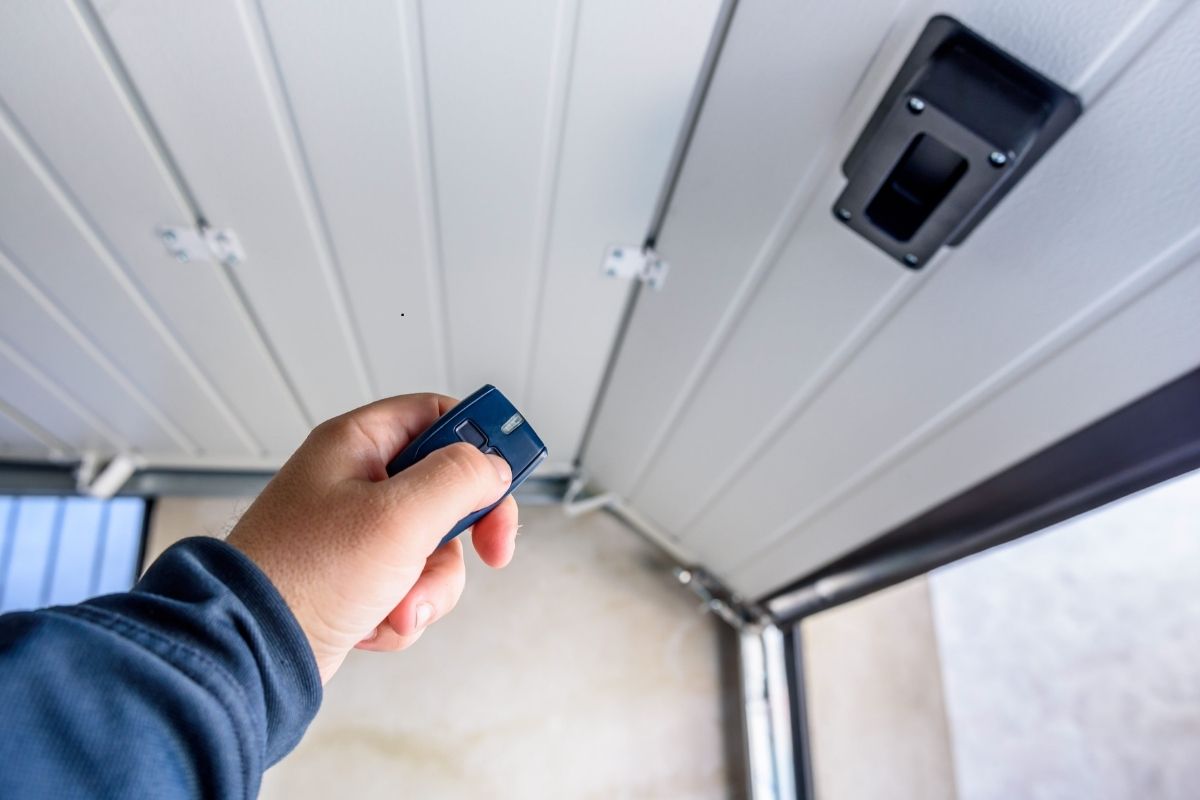
Choosing a garage door opener is not only about buying a motor. The opener has to match your garage door, your home layout, your noise needs, and how often you use the garage.
If you are learning how to choose the right garage door opener, start with the basics: opener type, lifting power, safety features, access controls, and door compatibility.
This matters because the opener does not work alone. It depends on the door’s springs, balance, rollers, tracks, panels, and safety sensors. A strong opener should not be used to force a heavy, stuck, or poorly balanced door.
Key Takeaways
- Garage door opener options include belt drive, chain drive, screw drive, and jackshaft openers.
- The right opener depends on door size, weight, balance, garage layout, and noise needs.
- A belt drive garage door opener is often better for quiet operation in attached garages.
- Opener horsepower should match the door, but the door must still be balanced and safe.
- Calgary homeowners should consider cold weather, opener reliability, and maintenance needs.
Before choosing an opener, lift the door by hand once; if it feels heavy, uneven, or stuck, fix the door issue before adding motor power.
Garage Door Opener Options At A Glance
The main garage door opener options include belt drive, chain drive, screw drive, and jackshaft openers.
Each type opens and closes the garage door, but they do not all work the same way. Some are quieter. Some are stronger. Some need more ceiling space. Some are better suited for certain garage layouts.
A residential garage opener usually includes a motor, rail or side-mounted system, drive mechanism, wall button, remote, safety sensors, and manual release.
When thinking about how to choose the right garage door opener, compare the full setup, not only the opener name. The door size, door weight, balance, garage use, and opener features all matter.
The main garage door opener options include belt drive, chain drive, screw drive, and jackshaft openers. Each type has different strengths for noise level, lifting power, placement, maintenance, and garage layout.
Belt Drive Garage Door Opener, Chain Drive Opener, And Screw Drive Options
A belt drive garage door opener uses a belt to move the door. It is often chosen for quieter operation, especially when the garage is attached to the home.
A chain drive opener uses a metal chain. It is common, practical, and often chosen when homeowners want strength and value.
A screw drive garage door opener uses a threaded rod system. It may work for some simple setups, but homeowners should compare noise level, maintenance needs, availability, and compatibility before choosing it.
Belt Drive Openers For Quieter Use
Belt drive openers are often preferred when bedrooms, living rooms, or finished spaces are close to the garage.
They can help reduce opener noise, but the door itself must still move smoothly.
Chain Drive Openers For Strength And Practical Use
Chain drive openers are common in many homes.
They can be a practical choice when budget and lifting strength matter, but they may be louder than belt drive systems.
Screw Drive Openers And Maintenance Needs
Screw drive openers may suit some garage setups.
Before choosing one, homeowners should compare maintenance, noise, parts availability, and whether it fits the door system.
A belt drive garage door opener is often quieter, a chain drive opener is usually strong and practical, and a screw drive garage door opener may suit some simple setups. The right choice depends on door weight, noise needs, maintenance expectations, and budget.
Jackshaft Garage Door Opener And Space Needs
A jackshaft garage door opener mounts beside the garage door instead of hanging from the ceiling.
This can be useful when homeowners want more ceiling space. Some garages use ceiling space for storage, lighting, tall vehicles, or a cleaner open layout.
A jackshaft opener is not only for commercial doors. Some residential garages can use this type when the door setup is compatible.
The main thing is fit. The garage door, shaft setup, side clearance, power location, and safety features should be checked before choosing this style.
A jackshaft garage door opener mounts beside the door instead of hanging from the ceiling. It can be useful when homeowners want more ceiling space, have storage needs, or need a different opener position.
Opener Horsepower, Door Size, And Compatibility
Opener horsepower should match the door’s size, weight, material, and balance.
A single lightweight door may not need the same lifting support as a large double door, insulated door, or heavier wood-style door. However, more horsepower does not solve every problem.
The opener should not be used to force a door that is hard to lift. Springs, rollers, tracks, and balance still do most of the support work.
This is an important part of how to choose the right garage door opener because the opener and door must work together.
Matching Power To Door Weight
A heavier garage door may need a stronger opener.
Door width, material, insulation, and panel weight can all affect lifting needs.
Checking Door Balance First
Before adding or replacing an opener, the door should lift smoothly by hand.
If it feels heavy, crooked, stuck, or uneven, the door should be checked before motorized use.
Opener horsepower should match the garage door’s size, weight, material, and balance. A heavier door may need more lifting support, but even a strong opener should not be used to force a poorly balanced door.
Quiet Garage Opener Features For Attached Garages
A quiet garage opener can make a big difference in an attached garage.
If bedrooms, living rooms, or workspaces are near the garage, opener noise may travel through walls, ceilings, or framing. A quieter opener can make daily use more comfortable.
Belt drive openers are often quieter than chain drive openers. But the opener is not the only source of noise.
Worn rollers, loose hinges, dry hardware, bent tracks, poor balance, and rough door movement can all make the system loud.
So, if quiet operation matters, choose the right opener type and make sure the door itself is in good condition.
A quiet garage opener is especially useful for attached garages or rooms near the garage. Belt drive openers are often quieter, but door balance, rollers, tracks, hardware, and installation quality also affect noise.
Smart Features, Safety Sensors, And Access Controls
A good residential garage opener should be practical and safe for daily use.
Basic features include safety sensors, auto-reverse, manual release, remote access, and wall control. These features help the opener operate safely and give homeowners easier access.
Smart garage door opener features can add phone control, door status checks, alerts, and shared access for family members. These features can be useful if you often wonder whether the garage door was left open.
Keypad access can also help families, guests, or trusted people enter without needing a remote.
Safety Sensors And Manual Release
Garage door safety sensors help detect objects in the door path.
Manual release is also important because it allows the opener to disconnect during certain power or service situations.
Smart Access And Keypad Control
Smart access can help with phone control and door status alerts.
Keypads can support daily access for family members without extra remotes.
A residential garage opener should include safety sensors, auto-reverse, manual release, secure remote access, and suitable controls. Smart features can add phone control, alerts, access sharing, and door status checks.
When Should You Replace Or Upgrade The Opener?
An opener may need replacement when it becomes noisy, slow, unreliable, outdated, or missing important safety features.
Other warning signs include repeated reversing, remote problems, grinding sounds, opener humming, delayed response, or the opener struggling to move the door.
Before replacing the opener, the door itself should be checked. A new opener will not fix a door that is unbalanced, damaged, off track, or hard to move.
Homeowners can review Garage Door Opener repairing process when dealing with opener problems, unusual noises, or issues with opening and closing.
Active Overhead Doors can help Calgary homeowners with opener selection, installation, replacement, and safety checks when the current system is not working properly.
A garage door opener may need replacement when it is noisy, unreliable, slow, outdated, missing safety features, or struggling with the door. Before replacing it, the door itself should also be checked for balance and smooth movement.
Conclusion
Knowing how to choose the right garage door opener helps homeowners compare opener types, power, noise, features, and compatibility with more confidence.
Belt drive openers may suit quieter attached garages. Chain drive openers can be practical and strong. Screw drive openers may suit some simple setups. Jackshaft openers can help when ceiling space matters.
The best choice depends on the door’s size, weight, balance, garage layout, safety needs, smart features, and Calgary weather conditions. A good opener should make daily access easier without forcing a door that needs repair.
FAQs
Which Garage Door Opener Type Is Best For A Detached Garage?
A detached garage may not need the quietest opener if there are no bedrooms or living spaces nearby. In that case, homeowners may focus more on strength, reliability, access controls, and budget. However, the right type still depends on the door size, weight, condition, and how often the garage is used.
Can Garage Door Opener Horsepower Be Too High?
A stronger opener is not usually the main problem, but extra horsepower should not be used to hide door issues. If the door is heavy, crooked, or hard to lift by hand, the door system needs attention first. The opener should match a balanced door, not force a damaged or poorly moving one.
Should I Choose Battery Backup For My Garage Door Opener?
Battery backup can be helpful if you want opener access during a power outage. It may be useful for attached garages, frequent garage users, or homes where the garage is a main entry point. Availability depends on the opener model, so it should be checked before installation.
Can I Reuse My Old Garage Door Opener Remote?
Sometimes an old remote can be reused if it is compatible with the new opener system. In many cases, newer openers use different security technology or remote programming. It is better to confirm compatibility before assuming the old remote, keypad, or wall control will work.
Why Does My Garage Door Opener Work Some Days But Not Others?
Intermittent opener problems can come from remote batteries, sensor alignment, wiring, cold weather strain, opener motor wear, or door movement issues. If the opener works inconsistently, the full system should be checked before the problem becomes more frequent.
Is Professional Installation Better For Garage Door Openers?
Professional installation can help make sure the opener is mounted correctly, matched to the door, connected with safety sensors, and tested for smooth operation. This is especially useful if the door is heavy, older, insulated, noisy, or already showing movement problems.