

How Garage Door Springs Work and Why They Matter
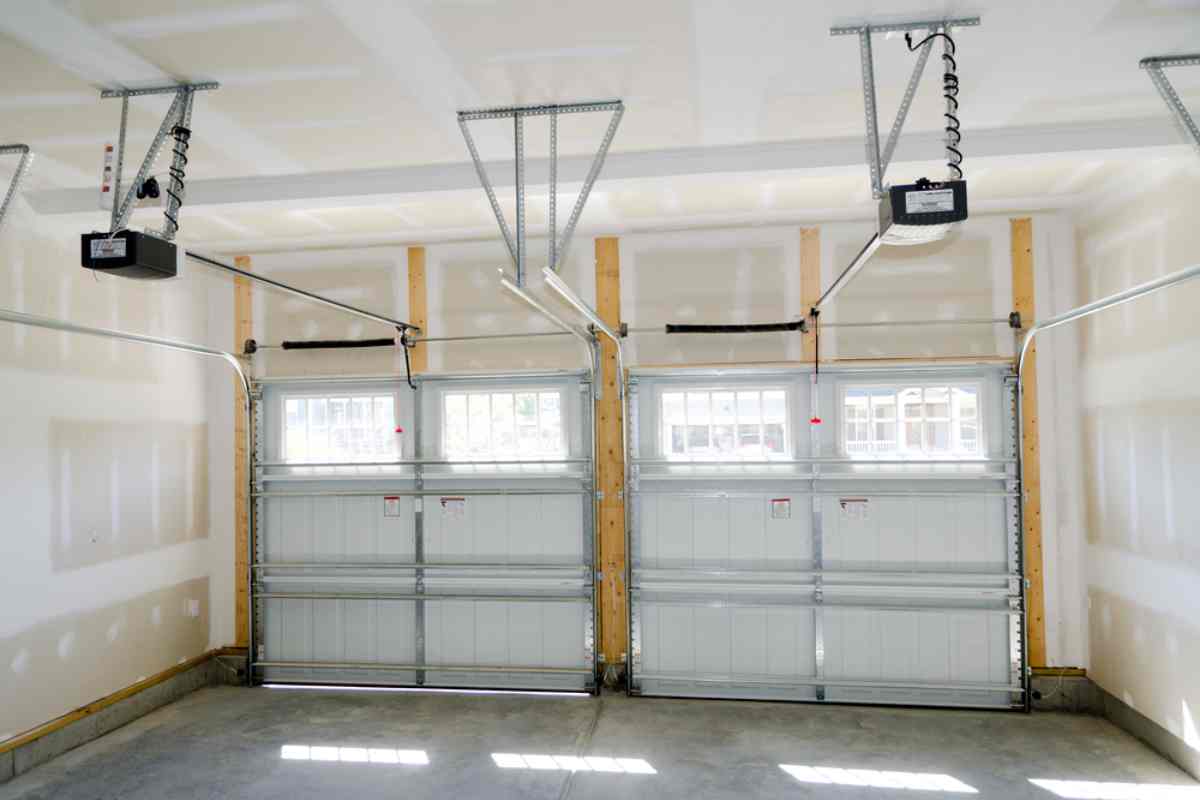
Garage doors may look simple from the outside, but behind that smooth movement is a system doing heavy work. Understanding how garage door springs work helps homeowners see why these small components are so important.
A typical residential garage door can weigh between 130 to 200 pounds. Without springs, lifting that weight manually or even with an opener would be difficult and unsafe. Springs reduce that load by balancing the door, making it easier to open and close.
Most homeowners only notice springs when something goes wrong. But early awareness can help prevent sudden breakdowns and costly repairs.
Key Takeaways
- Springs carry most of the garage door weight.
- Tension helps control smooth movement.
- Two main types: torsion and extension.
- Spring issues usually show early warning signs.
- Proper handling improves safety.
Tip: If your garage door suddenly feels heavier than usual or stops midway, avoid forcing it. This often signals spring imbalance and early inspection can prevent costly internal damage.
Understanding the Garage Door Spring Mechanism and Function
Garage door springs work by storing energy when the door closes and releasing it when the door opens. This is the basic idea behind how garage door springs work, making heavy doors easier to lift.
Instead of lifting the entire door weight, the opener only guides movement. This balance is what keeps the system working smoothly.
A well-functioning spring system also allows the door to stay in place when partially opened, which is a sign of proper balance.
Garage Door Spring Types and Torsion vs Extension Springs
Most residential garage doors use one of two spring types: torsion or extension. Each type works differently but serves the same purpose of lifting the door.
Torsion springs are generally mounted above the garage door, while extension springs are placed along the sides.
Torsion Springs Explained
Torsion springs are installed above the door and work by twisting. As the door moves, the spring winds and unwinds, creating controlled force.
This system provides smoother movement and better balance, especially for heavier doors. Many modern garage doors prefer torsion springs due to their durability and stability.
Extension Springs Explained
Extension springs are placed along the sides of the door tracks. They stretch and contract as the door opens and closes.
These springs are often used in older systems. While effective, they may require more maintenance and can show wear faster due to stretching action.
How Garage Door Spring Tension Controls Movement
Spring tension is what allows the garage door to move smoothly. The tension is carefully adjusted to match the door’s weight.
If the tension is too high or too low, the door may move unevenly or stop midway. Proper tension ensures that the door opens and closes without sudden jerks.
This balance also reduces strain on the opener, helping it last longer.
Common Causes of Broken Garage Door Spring and Wear
Garage door springs do not fail instantly in most cases. They wear out gradually due to repeated use.
On average, springs are designed for about 10,000 cycles. A cycle means one full open and close. For a door used multiple times daily, this lifespan can reduce significantly.
Daily Usage Impact
Frequent opening and closing increases stress on the springs. Over time, this repeated tension weakens the metal and reduces its ability to hold weight effectively.
Homes with higher daily usage often experience faster spring wear compared to occasional use.
Lack of Maintenance
Without proper lubrication and inspection, springs can dry out and lose flexibility. This increases friction and accelerates wear.
Simple maintenance can help extend the lifespan, but neglect often leads to early failure.
Signs That Show Garage Door Spring Problems Early
Garage door springs usually show warning signs before breaking completely.
Common signs include unusual noise, uneven movement, or difficulty opening the door. Some homeowners also notice the door closing faster than usual.
Understanding how garage door springs work also helps you notice early warning signs before a complete failure happens.
Can You Use a Garage Door with a Broken Spring?
Using a garage door with a broken spring is not recommended. Even if the door still moves, it puts extra pressure on the opener.
This added strain can damage the motor and increase the risk of sudden failure. It can also make the door unsafe to operate.
In most cases, it is better to stop using the door until the issue is addressed.
Garage Door Spring Safety and Handling Considerations
Garage door springs operate under high tension. This makes them potentially dangerous if handled incorrectly.
Improper adjustments can release stored energy suddenly, leading to injury or damage.
This is why spring adjustments and repairs are usually handled with proper tools and care.
When to Repair or Replace Garage Door Springs in Calgary
Knowing when to repair or replace springs helps avoid bigger problems. If the door shows repeated issues like imbalance or noise, it is a sign that action is needed.
For homeowners in Calgary, regular usage and environmental factors can speed up wear. Early repair is often simpler and more cost-effective than waiting for a full failure.
If you are unsure whether repair or replacement is needed, a qualified garage door technician can assess the springs and suggest the safest solution.
Conclusion
Understanding how garage door springs work gives you better control over maintenance and safety. These components handle most of the door’s weight and ensure smooth operation.
By recognizing early signs and knowing how the system functions, homeowners can avoid sudden failures and maintain a reliable garage door system.
FAQs
How Do I Know If My Garage Door Spring Is About To Break?
You may notice early signs such as loud noises, uneven door movement, or the door struggling to open fully. These symptoms often appear before complete failure. Paying attention to these changes helps you act early and avoid sudden breakdown.
How Much Weight Do Garage Door Springs Actually Support?
Garage door springs carry most of the door’s weight, often balancing doors that weigh over 100 pounds. This reduces the effort needed from the opener and ensures smoother movement during daily use.
Can Weather Affect Garage Door Springs Performance?
Temperature changes can affect metal components, including springs. Cold conditions can make springs more rigid, while long-term exposure can impact their flexibility and performance over time.
Is It Safe To Replace Only One Garage Door Spring?
In most cases, replacing both springs is recommended because they wear out at a similar rate. Replacing only one can create imbalance, leading to uneven movement and additional stress on the system.
How Often Should Garage Door Springs Be Inspected?
It is generally recommended to check garage door springs every few months for visible wear or unusual behavior. Regular inspection helps detect problems early and keeps the system functioning safely.
What Happens If Garage Door Spring Tension Is Incorrect?
Incorrect tension can cause the door to move unevenly, stop midway, or place extra strain on the opener. Proper tension adjustment ensures balanced movement and reduces the risk of further damage.