

How Garage Door Safety Sensors Work?
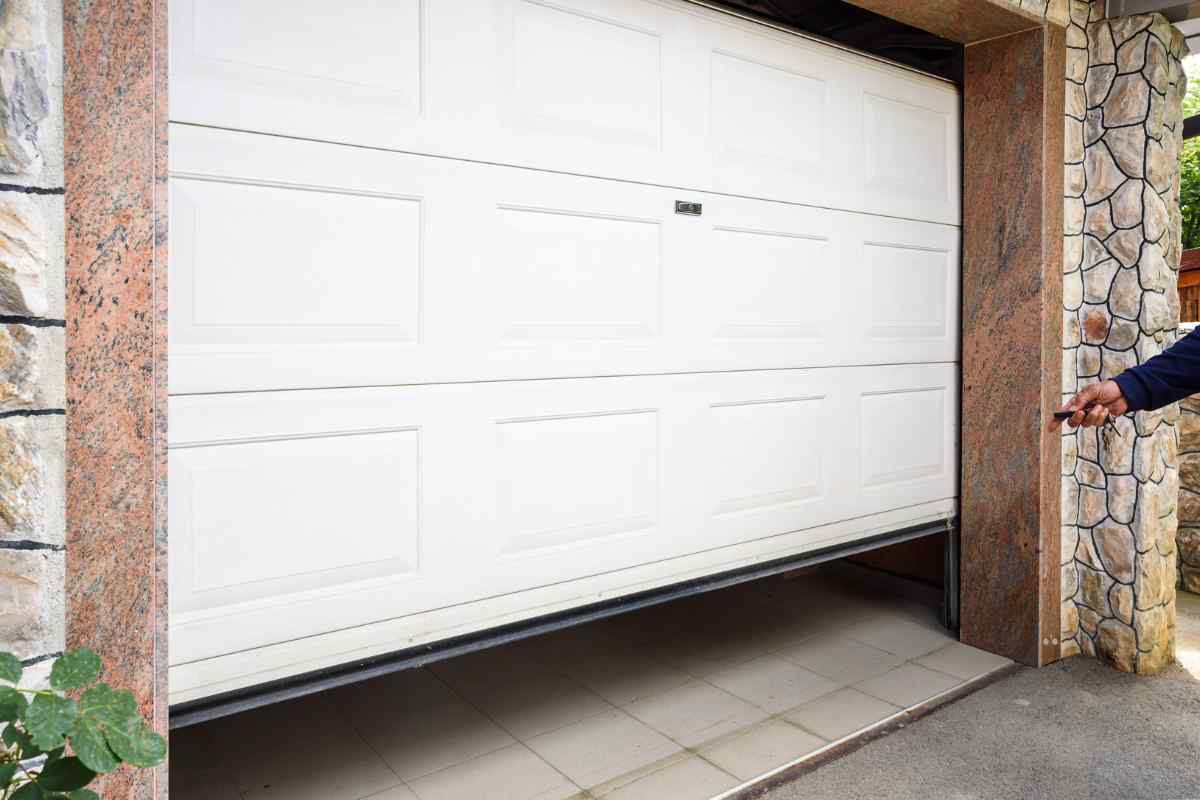
A garage door that refuses to close can be frustrating. It may come down a few inches, stop, reverse, or only close when you hold the wall button.
In many cases, the issue is not the full door or opener. It may be related to garage door safety sensors near the bottom of the door.
These small sensors are part of the garage door safety system. Their job is to help detect people, pets, vehicles, tools, boxes, or debris in the door’s path before the door closes.
Key Takeaways
- Sensors use an invisible beam across the garage door opening.
- If the beam is blocked, the door should stop or reverse.
- Dirt, snow, sunlight, or bumped brackets can cause sensor trouble.
- Blinking or off sensor lights can point to alignment or wiring issues.
- Homeowners can do simple checks, but wiring and replacement need care.
Tip: Before calling for repair, clear objects near both sensors, gently wipe the lenses, and check if both sensor lights stay solid when the door closes.
What Garage Door Sensors Do In The Safety System
Safety sensors are usually installed near the bottom of both sides of the garage door opening. They sit close to the tracks, a few inches above the floor.
Their job is simple. They help the opener know whether the door path is clear before closing.
One sensor sends an invisible beam across the opening. The other sensor receives that beam. If something blocks the beam while the door is closing, the opener should stop or reverse the door.
This is why a small object near the floor can stop the door from closing. A box, broom, toy, leaf pile, snow buildup, or even dirt on the lens can affect the signal.
The system is not there to annoy homeowners. It is there to reduce the risk of the door closing on something in its path.
How The Photo Eye Beam Controls Door Movement
A garage door photo eye is another name for the small sensor lens that sends or receives the beam.
The idea is not complicated. The sensors create an invisible line across the garage door opening. When the line is clear, the door can close. When the line is interrupted, the opener reacts.
DASMA describes photoelectric eyes as being installed near the floor. Once the invisible beam is broken, the door reverses automatically. That simple beam is one of the most important safety features on modern automatic openers.
This is also why garage door safety sensors must face each other properly. If one sensor is tilted, bumped, dirty, or disconnected, the opener may act as if something is blocking the path.
The Invisible Beam Across The Door Opening
The beam runs from one side of the door opening to the other. It is usually placed low because many safety risks happen near the floor.
This helps detect objects, pets, or people before the door reaches the ground.
What Happens When The Beam Is Blocked
If the door is closing and the beam is blocked, the opener should stop and reverse.
If the beam is already blocked before closing starts, the opener may refuse to close the door at all.
Garage Door Not Closing And Sensor Obstruction Issues
A common sign of sensor trouble is a garage door not closing properly.
The door may start closing, then reverse. It may move down only a little. It may click but refuse to close. Sometimes it closes only when you press and hold the wall button.
These signs often point to sensor obstruction issues. The opener thinks something is in the door’s path, even if the area looks clear at first glance.
Common obstructions include:
- Boxes near the tracks.
- Tools leaning by the door.
- Toys or sports items.
- Leaves or dust
- Snow or ice near the floor.
- Dirt on the sensor lens.
- Items stored too close to the sensor.
Garage door reversing is not always random. The opener may be responding to a blocked beam, dirty lens, or sensor that is slightly out of position.
Common Objects That Block Sensors
Because sensors sit low, small objects can create problems. A shovel, broom, storage bin, or snow pile may be enough to block the beam.
Clear both sides of the door opening before assuming the opener is broken.
Why The Door Reverses Even When The Path Looks Clear
Sometimes the path looks clear, but the sensor lens is dirty or the beam is not lining up properly.
Bright sunlight can also affect some sensors when it hits the receiving lens directly, especially at a low angle. This can make the system think the beam is interrupted.
Garage Door Sensor Alignment Warning Signs
Garage Door Safety Sensors alignment matters because both sensors need to face each other clearly.
If one sensor is slightly turned, loose, or bumped, the beam may not connect properly. The opener may then stop the door from closing.
Common signs of alignment trouble include blinking sensor lights, one light off, repeated reversing, or the door refusing to close even when nothing is blocking the path.
Many sensors use indicator lights. A steady light often means the sensor is receiving the beam. A blinking or off light can point to misalignment, obstruction, power loss, wiring trouble, or a failed sensor.
Solid Lights Vs Blinking Lights
If both lights are steady, the sensors may be aligned properly.
If one light is blinking or off, check for dirt, obstruction, loose brackets, or a sensor that has been bumped.
Bumped Or Loose Sensor Brackets
Sensor brackets can move if they are hit by tools, bikes, storage bins, pets, or cleaning equipment.
Even a small shift can affect the beam. That is why alignment problems can appear suddenly after moving items around the garage.
Calgary Weather And Garage Door Sensor Problems
Calgary weather can make sensor issues more noticeable.
Sensors are close to the floor, so they are exposed to dust, moisture, snow, road salt, and temperature changes. In winter, snow or slush near the tracks can block the beam. Moisture can also leave dirt or film on the lens.
Calgary also has long cold months. WeatherSpark reports that the cold season in Calgary lasts about 3.7 months, from mid-November to early March, with average daily highs below about 3°C. In simple terms, sensors and door parts spend a large part of the year working in cold, dusty, and sometimes wet conditions.
Bright sunlight can also cause problems in some garages. If direct sun hits the receiving sensor at the wrong angle, the beam may not be read clearly.
This does not mean every sensor issue is caused by weather. But local conditions can make small problems show up more often.
Safe Checks Before Calling For Sensor Repair
Homeowners can do a few safe checks before calling for repair.
Start by clearing the door path. Move boxes, tools, toys, and storage items away from both sensors.
Next, gently wipe the sensor lenses with a soft cloth. Do not use harsh chemicals or force the sensor out of place.
Then check the sensor lights. If both lights stay solid, try closing the door again. If one light is blinking or off, the sensor may be misaligned, blocked, disconnected, or damaged.
You can also look at the brackets. If a bracket looks loose or bent, the sensor may not be pointing straight across the opening.
Avoid pulling wires, opening the opener unit, or bypassing the safety system. If cleaning and basic checks do not help, the issue may need proper testing.
Repair, Replacement, And Full System Inspection
Repeated sensor problems should not be guessed at.
The issue may be the sensor lens, wiring, alignment, opener setting, sensor bracket, or the opener itself. Sometimes the door movement, tracks, or opener force settings also need to be reviewed.
Faulty sensors usually stop the opener for safety. But repeatedly forcing the door, holding buttons to override normal operation, or bypassing the system can create unsafe use.
A full inspection helps confirm whether the problem is really the sensors or another part of the door system.
Homeowners planning a safer or updated door system can review Garage Door Installation to better understand available options. A professional inspection can also help check garage door sensors, opener settings, and door movement to confirm the real issue.
Conclusion
FAQs
Can Garage Door Sensors Be Bypassed Temporarily?
Bypassing sensors is not safe because they are designed to help stop the door from closing on people, pets, vehicles, or objects. If the door will not close because of sensor trouble, it is better to find the cause instead of removing the safety function. A blocked beam, dirty lens, wiring issue, or failed sensor should be checked properly.
How Long Do Garage Door Sensors Usually Last?
Garage door sensors can last for years, but their lifespan depends on moisture exposure, wiring condition, impact damage, opener compatibility, and how well they are protected. If the lights keep going off, the door reverses often, or the sensors fail after cleaning and alignment checks, replacement may be needed.
Why Does My Garage Door Close Only When I Hold The Wall Button?
This often points to a sensor issue. Holding the wall button may force constant-pressure closing on some systems, while normal remote closing may fail because the sensors are not reading correctly. The cause may be blocked sensors, dirty lenses, poor alignment, loose wiring, or a failed sensor part.
Do Garage Door Safety Sensors Need To Match The Opener Brand?
Compatibility matters. Not every sensor works with every opener model, especially if the opener is older or uses a specific wiring setup. Before replacing sensors, it is better to confirm the correct type for the opener so the safety system works properly.
Can New Garage Door Installation Fix Sensor Problems?
A new installation can help if the old system has damaged sensors, weak brackets, poor wiring, or outdated opener parts. However, if the sensor issue is only dirt, obstruction, or small alignment trouble, a full new door may not be necessary. A proper check helps avoid unnecessary replacement.
Why Is One Sensor Light Green And The Other Orange?
Many systems use different light colors to show sending and receiving functions. One color does not automatically mean something is wrong. The more important sign is whether the lights stay solid. If one light blinks or turns off, the issue may involve alignment, obstruction, wiring, or power.