

5 Warning Signs Your Garage Door Opener Needs Replacement
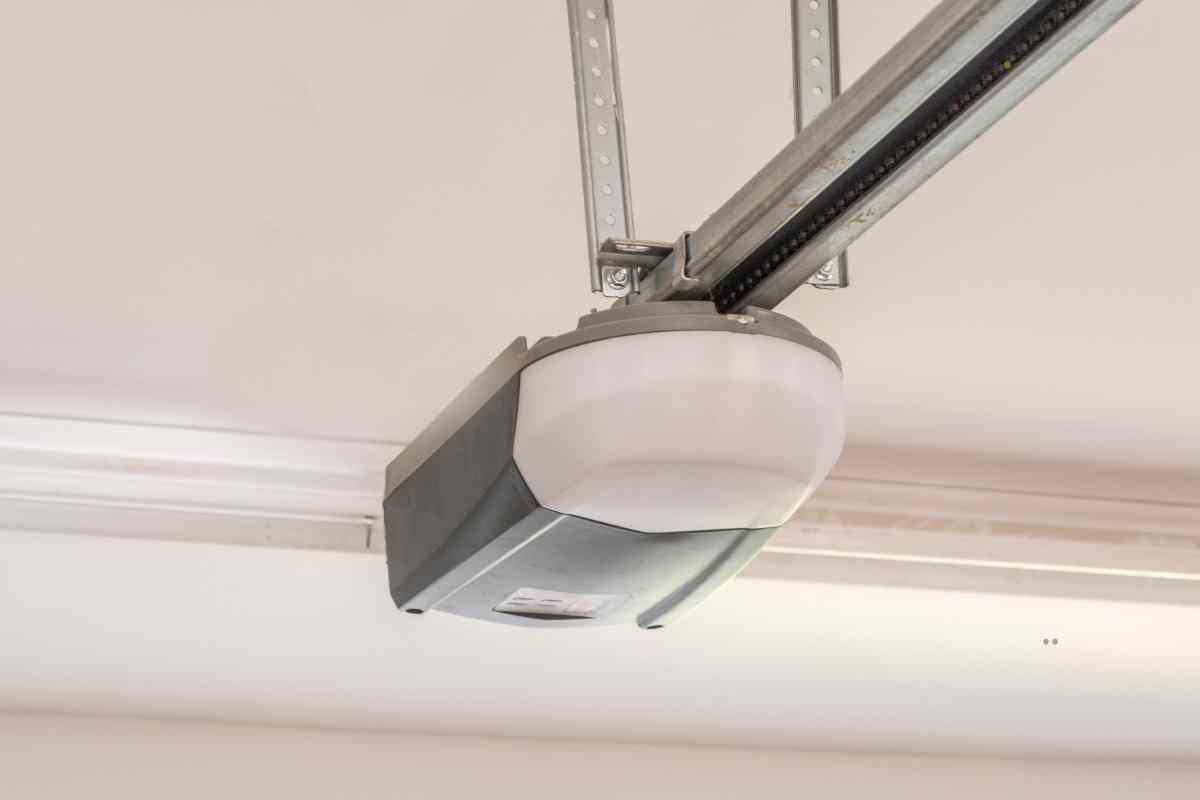
A garage door opener usually does its job quietly in the background. You press the button, the door opens, and you move on with your day.
But when the opener starts acting differently, it can quickly become stressful. Maybe the door opens slowly. Maybe the remote works only sometimes. Maybe the motor makes a loud grinding sound that was not there before.
Not every issue means your garage door opener needs replacement. Some problems come from simple causes like weak remote batteries, dirty safety sensors, or a disconnected power source. But when problems keep coming back, replacement may be safer and more cost-effective than repeated repairs.
Key Takeaways
- Repeated opener problems can be early warning signs of failure.
- Noise, slow movement, and weak lifting power should not be ignored.
- Remote issues may be simple, but repeated signal failure can point to opener trouble.
- Calgary’s cold weather can make weak opener parts show problems sooner.
- Replacement may make sense when repair costs keep adding up.
Tip: Before replacing your opener, test the remote battery, wall switch, safety sensors, and door balance so you do not replace a unit for a simple issue.
Garage Door Opener Not Working Consistently
One of the clearest warning signs is inconsistent operation. The opener works one day, struggles the next, then suddenly starts working again.
This can feel confusing because the problem does not happen every time. Many homeowners ignore it because the door still opens sometimes. But inconsistent performance can be an early sign of a failing garage door opener.
You may notice:
- The opener needs multiple button presses.
- The door starts moving, then stops.
- The wall button works, but the remote does not.
- The opener works in the morning but fails later.
- The door reverses without a clear reason.
Simple issues should be checked first. Make sure the opener has power, the remote battery is not weak, and the safety sensors are clean and aligned.
If the same problem keeps returning, the issue may be deeper. It could involve the receiver, logic board, wiring, or motor. At that stage, repair may not always be the best long-term fix.
Simple Checks Before Assuming Replacement
Start with the basics. Check the power outlet, remote battery, wall control lock mode, and sensor alignment.
Also look for anything blocking the garage door path. Even a small object near the safety sensors can stop the door from closing properly.
When Repeated Failure Becomes A Bigger Concern
If the opener keeps failing after basic checks, it may be more than a small glitch. Repeated random failure often means the opener system is losing reliability.
This is when a full inspection helps. The opener and the door should be checked together because springs, rollers, tracks, and door balance can also affect performance.
Noisy Garage Door Opener With Grinding Or Shaking
A noisy garage door opener is not always serious. Some openers are naturally louder than others, especially older chain-drive models.
The concern starts when the sound changes. If the opener suddenly becomes louder, shakes more than usual, grinds, rattles, or hums under strain, something may be wearing down.
Noise can come from different parts of the system. The chain may be loose. The belt may be worn. Internal gears may be damaged. The motor may be struggling to lift the door.
A loud opener can also point to door resistance. If the garage door is heavy, unbalanced, or hard to move, the opener has to work harder. That extra strain can shorten the opener’s life.
Normal Operating Sound Vs Warning Noise
A regular opener sound is usually steady and predictable. The warning sound is different. It may be sudden, rough, sharp, or louder than before.
Grinding, popping, humming, or shaking should be taken seriously if it keeps happening.
Motor Strain And Worn Internal Parts
Garage door motor problems often show up through sound before complete failure. A motor that hums but struggles to move the door may be losing strength.
If the opener is older and the noise keeps getting worse, replacement may be more practical than repairing one worn part after another.
Slow Garage Door Opener Movement
A slow garage door opener can seem like a small annoyance at first. The door still opens, so many homeowners wait.
But slow movement can be a sign that the opener is under strain. It may also mean the door system itself is creating resistance.
A garage door opener is designed to guide a properly balanced door. It should not be forced to lift a door that is too heavy, stiff, or unbalanced.
If the opener moves slowly, the system may need adjustment or maintenance. In some cases, the opener itself may be wearing out.
Door Balance Problems Can Strain The Opener
A slow opener does not always mean the opener is the only problem. Springs, rollers, hinges, and tracks should also be checked.
If the door is hard to lift manually, the opener is likely working harder than it should.
When Slow Movement Points To Replacement
Slow movement becomes more concerning when it comes with other signs. These include motor humming, stopping mid-cycle, repeated resets, or weak lifting power.
When several signs appear together, repair may only be a short-term fix.
Garage Opener Remote Issues Keep Coming Back
Garage opener remote issues are often simple. A weak battery, damaged remote, or signal interference can stop the remote from working properly.
But if the problem keeps coming back, the opener may be involved.
One remote failing usually points to the remote itself. Multiple remotes failing can point to the opener receiver, wiring, antenna, or logic board.
You may notice the remote only works when you stand close to the door. Or the wall button works, but the remote responds late. Sometimes the opener may ignore the remote completely.
Before assuming replacement, test the wall button. Replace the remote battery. Check whether the antenna wire on the opener is hanging down properly. Also make sure LED bulbs near the opener are not causing signal interference.
If all basic checks are fine and the signal problem continues, the opener’s internal receiver may be wearing out. For an older unit, replacement may be more sensible than chasing repeated remote and circuit issues.
Old Opener Near The End Of Its Lifespan
Age alone does not always mean replacement. Some openers last longer with proper maintenance and lighter use.
But age matters when it appears with other problems. If the opener is old and also noisy, slow, unreliable, or struggling to lift the door, replacement becomes more reasonable.
Genie notes that most garage door openers last around 10 to 15 years on average, while some can last longer with maintenance. In simple terms, a 12-year-old opener that works smoothly may still be fine, but a 12-year-old opener with repeated failures deserves closer attention.
Safety is another reason older openers should be reviewed. The U.S. Consumer Product Safety Commission required additional entrapment protection for residential garage door openers manufactured on or after January 1, 1993. That history matters because modern openers are built with safety features that older units may lack or may no longer use reliably.
An old unit does not always mean the garage door opener needs replacement. But if repairs are becoming frequent, the motor sounds weak, or safety features are unreliable, replacement may be the safer choice.
Homeowners comparing opener repair and replacement can review the Garage Door Opener service for practical options. Active Overhead Doors can inspect the opener and full door system in Calgary to help confirm whether repair or replacement makes more sense.
Conclusion
A garage door opener usually gives warning signs before it fully fails. The most common signs are inconsistent operation, loud grinding or shaking, slow movement, repeated remote problems, and old age combined with frequent issues.
The best first step is to rule out simple causes. Check the remote battery, power source, sensor alignment, door lock settings, and visible obstructions.
If the same issue keeps coming back, do not ignore it. A weak opener can leave your garage door unreliable and may put extra strain on the full door system.
If your garage door opener needs replacement, the decision should be based on safety, reliability, repair history, motor condition, and how well the door itself is working.
FAQs
Can A Garage Door Opener Be Repaired Instead Of Replaced?
Yes, many opener issues can be repaired if the problem is small. Sensor alignment, remote battery failure, wiring issues, loose chains, or wall button problems may not require full replacement. Replacement becomes more practical when the opener is old, the motor is weak, the logic board is failing, or repairs keep happening again and again.
Should I Replace My Opener If The Garage Door Is Heavy?
Not immediately. A heavy garage door may point to spring, cable, roller, or balance problems rather than opener failure.The door should be inspected first because even a new opener can struggle if the garage door is not properly balanced.
What Type Of Garage Door Opener Is Best For A Calgary Home?
The best opener depends on your door size, noise preference, budget, and how often you use the garage. For many Calgary homes, homeowners often look for steady motor strength, quiet operation, reliable safety sensors, smart controls, and performance during cold weather.
Why Does My Opener Work In Warm Weather But Struggle In Cold Weather?
Cold weather can make weak opener parts show problems faster. Rollers may become stiff, lubricant may thicken, and an older motor may struggle more under load. If the opener only struggles in winter, maintenance may help. If it struggles in every season, replacement may be worth considering.
Is A Smart Garage Door Opener Worth It?
A smart garage door opener can be really useful. This is because you get phone alerts and you can access it from anywhere. You also have control over your garage door when you are not at home.. You should not buy a smart garage door opener just because it is smart. There are things that are more important. You need to think about how strong the motor’s. You need to think about the safety sensors. You need to think about whether it’s compatible, with your garage door.. You need to think about whether it is reliable.
Can I Replace The Opener And Keep The Same Garage Door?
Yes you can replace the garage door opener. You do not have to replace the garage door.. First you need to check a few things. You need to check the balance of the garage door. You need to check the springs and the rollers and the tracks. You also need to check the safety sensors. If all these things are okay then you can replace the garage door opener. This way you can make sure the new garage door opener does not have to deal with any problems that your old garage door might have.