

Garage Door Off Track Problems: Common Causes
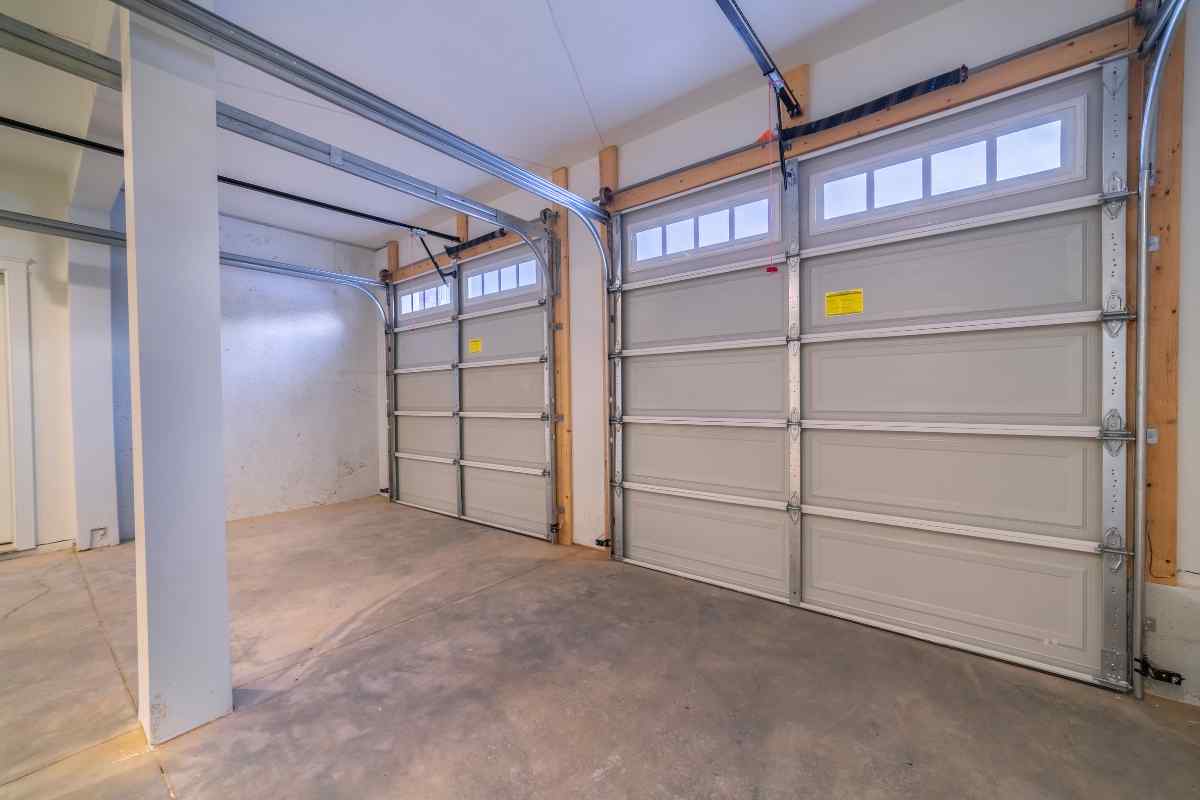
A garage door that looks crooked, sits lower on one side, gets stuck halfway, or moves roughly can feel worrying right away.
Sometimes the issue starts small. The door may scrape, shake, or leave a gap near the floor. Other times, it may jam suddenly and stop moving.
A garage door off track problem usually means the rollers are not moving properly inside the tracks. This can happen because of damaged rollers, bent tracks, cable tension problems, impact damage, debris, or poor door balance.
Garage doors are heavy moving systems. Some standard residential double garage doors can weigh around 150 to 180 pounds, depending on size and insulation. In simple words, even a “normal” garage door is too heavy to force when something is misaligned.
Key Takeaways
- A crooked garage door can point to track, roller, cable, or balance issues.
- Bent tracks and damaged rollers can stop smooth door movement.
- Forcing the opener can make track, cable, or panel damage worse.
- Calgary snow, ice, and debris can affect tracks and rollers.
- An off-track door should be checked early because it can become unsafe.
Tip: If your garage door looks crooked or stuck on one side, stop using the opener and check for visible track, roller, or cable issues from a safe distance.
Crooked Or Uneven Garage Door Movement
Uneven movement is often the first sign homeowners notice.
One side may sit lower than the other. The door may look tilted while opening. There may be a larger gap on one side near the floor.
This can happen when rollers are not moving evenly, cables lose tension, tracks shift, or the door is out of balance.
A crooked door should not be ignored. It may still move, but that does not mean it is moving safely. The longer the door runs unevenly, the more stress it can place on rollers, tracks, panels, cables, and the opener.
If the door looks uneven, avoid repeated testing. A few extra opener cycles can make a small alignment issue worse.
Garage Door Track Issues And Roller Movement
Garage door track issues can stop the door from moving smoothly, even if the opener is still working.
The tracks guide the rollers as the door opens and closes. When the rollers stay inside the track, the door can travel in a controlled path. When the track is bent, blocked, loose, or misaligned, the rollers may drag, scrape, or slip out of position.
This is why the opener is not always the main problem. The opener may be trying to move the door, but the door cannot travel correctly because the track or rollers are not guiding it.
A garage door off track issue can also start after repeated rough movement. A roller may loosen slowly, then one day the door jams or shifts sideways.
How Rollers Guide The Door
Rollers sit inside the metal tracks and help the door move with less friction.
When rollers are in good condition, the door should move smoothly and evenly. If rollers are cracked, loose, or worn, the door may shake or scrape.
What Happens When Rollers Leave The Track
When rollers leave the track, the door is no longer properly supported in that section.
The door may jam, tilt, scrape against the frame, or stop halfway. At that point, forcing the door can increase the damage.
Bent Garage Door Track And Impact Damage
A bent garage door track can push the door out of its normal path.
Even a small bend can matter because rollers need enough space to move cleanly. If the track narrows or bends inward, the roller can scrape, bind, or jump out of place.
Impact damage is a common reason this happens. A car bumper, bike, garbage bin, storage item, or equipment can hit the door or track. The damage may look minor, but the door movement can change afterward.
You may notice scraping sounds, rough movement, a crooked door, or the door stopping at the same point each time.
If the track looks bent, do not try to hammer it back while the door is under pressure. The door may shift unexpectedly, especially if cables or rollers are already affected.
Damaged Garage Door Rollers And Rough Operation
Damaged garage door rollers can create rough, noisy, or unstable movement.
Rollers may wear down over time. They can crack, loosen, flatten, or stop turning smoothly. When that happens, the door may drag instead of rolling cleanly through the track.
This can create shaking, scraping, jerking, or a door that feels stuck on one side.
DASMA’s automatic garage door maintenance guidance recommends looking for wear or damage on hinges, rollers, cables, and other parts during routine checks. In simple terms, rollers are small parts, but they play a big role in safe door movement.
Signs Of Roller Wear
Watch for loud rolling sounds, scraping, shaking, visible cracks, or rollers that look loose inside the track.
If the door jerks in the same area each time, a roller or track issue may be involved.
Why Rough Movement Should Not Be Forced
A rough door should not be pushed through with the opener.
The opener is designed to move a balanced door. It is not meant to force a jammed or misaligned door through damaged hardware.
Garage Door Cable Problems And Balance Issues
Garage door cable problems can also cause uneven movement.
Cables help lift both sides of the door evenly. If one cable becomes loose, frayed, slipped, or damaged, one side may move differently from the other.
This can make the door look crooked, stuck sideways, or jammed on one side.
Cable problems can also overlap with spring or balance issues. That is why guessing from one symptom is not always reliable. A crooked door may involve the track, rollers, cables, springs, or more than one part at the same time.
Loose Or Frayed Cables
Loose cables may hang near the side of the door or look uneven compared to the other side.
Frayed cables are a warning sign and should not be touched or pulled.
Door Balance And Side-To-Side Movement
A balanced garage door should move evenly.
If one side rises faster, drops lower, or gets stuck, the system may not be sharing the load properly.
Calgary Weather, Debris, And Track Obstructions
Calgary weather can make garage door movement problems more noticeable.
Snow, ice, road salt, dust, and debris can collect near the bottom tracks and rollers. During freeze-thaw conditions, buildup can harden or shift around the door area.
Weather Spark reports that Calgary’s cold season lasts about 3.7 months, from November 17 to March 8, with average daily highs below 38°F, around 3°C. In simple words, garage door parts spend a large part of the year working in cold conditions.
Debris does not always need to be large to cause trouble. Small stones, packed dirt, ice, or salt buildup can interrupt smooth roller movement.
Homeowners can safely look for visible debris near the track area. But if the door is crooked, jammed, or under pressure, do not try to move the door by force.
When Does A Garage Door Off Track Issue Need Repair?
A garage door off track issue needs repair when the door is crooked, jammed, stuck halfway, sitting unevenly, or showing rollers outside the track.
It also needs attention if cables are loose, the track is bent, panels look twisted, or the opener struggles to move the door.
Do not keep pressing the opener button. Forcing the opener can strain the motor and may increase damage to rollers, cables, panels, and tracks.
Before calling, homeowners can safely look for visible signs:
- Objects blocking the track area
- Obvious track bends
- Loose or damaged rollers
- Hanging or frayed cables
- Uneven door position
- Panels under pressure
Do not touch springs, cables, or heavy parts. These can be dangerous if the door is under load.
Conclusion
FAQs
Can A Garage Door Come Off Track By Itself?
A garage door usually does not come off track for no reason. Most cases involve roller wear, cable problems, impact damage, bent tracks, debris, or poor balance. Sometimes the issue develops slowly, then appears suddenly when the door finally jams, tilts, or stops moving properly.
What Should I Do If My Garage Door Is Stuck Halfway?
Stop using the opener and do not try to force the door up or down. A stuck halfway door may be under pressure, especially if cables, rollers, or springs are involved. Keep people, pets, and vehicles away from the door until it is checked from a safe distance or inspected by a technician.
Can I Put Garage Door Rollers Back On Track Myself?
It is not recommended because the door may be heavy, unstable, or under tension. If cables or springs are involved, trying to reset rollers can become unsafe. A safer approach is to stop using the door and have the full track, roller, cable, and balance system inspected.
Why Does My Garage Door Keep Coming Off Track?
Repeated off-track problems usually mean the root cause has not been fixed. The issue may involve bent tracks, worn rollers, loose hardware, cable tension problems, or poor door balance. If the same problem keeps returning, the full door system should be checked instead of only placing the roller back once.
Can An Off-Track Garage Door Damage The Opener?
Yes, it can. The opener is designed to move a balanced door, not force a crooked or jammed door through damaged tracks. If the opener keeps trying to move the door, it can strain the motor, gear system, rail, and connected hardware.
Is A Crooked Garage Door Always An Emergency?
A crooked garage door should be treated seriously, even if it still moves. It may be unstable or supported unevenly. It is best to stop using it and check for visible issues from a safe distance before the problem becomes worse.