

Garage Door Not Opening: What Calgary Homeowners Should Do
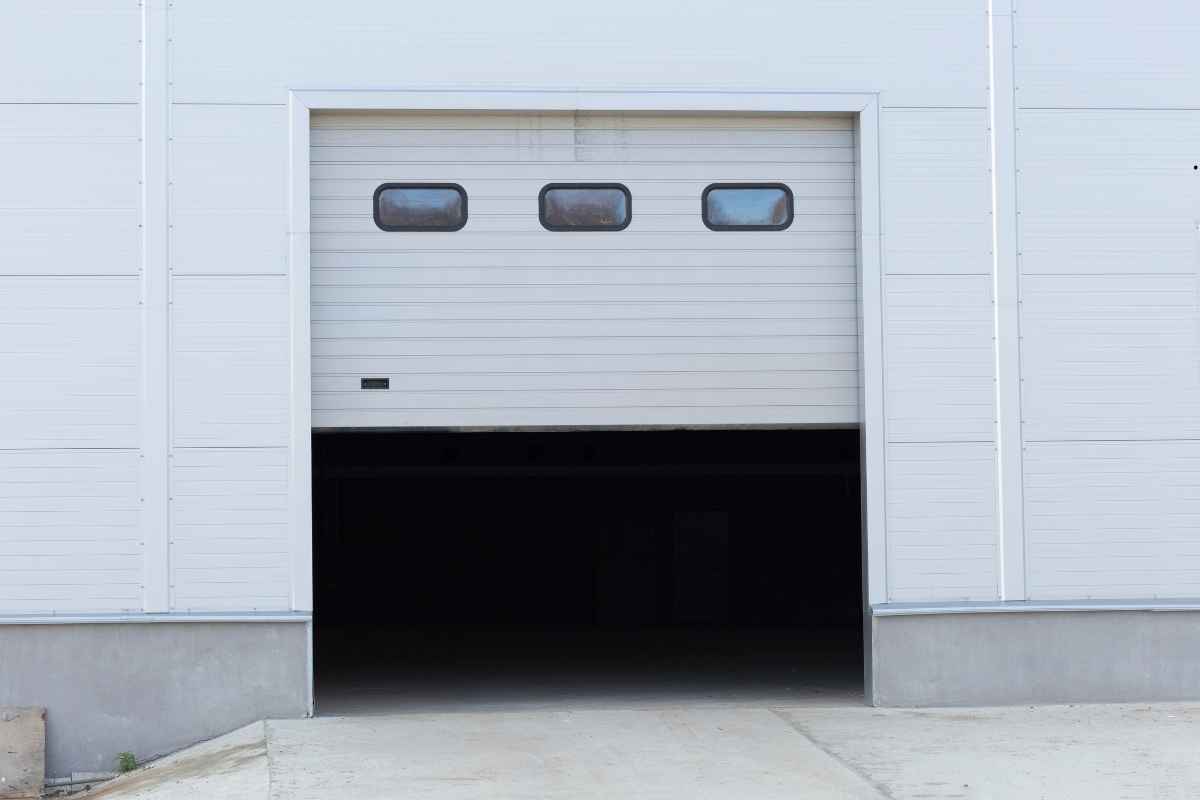
A garage door that suddenly will not open can interrupt your whole day.
You may press the remote and hear nothing. You may hear the motor running, but the door does not move. The door may stop halfway, feel too heavy, or stay stuck open.
A garage door not opening problem can come from something simple, like a dead remote battery or power issue. It can also come from a broken spring, cable issue, track problem, roller problem, opener fault, or cold weather.
The safest approach is to check simple items first and avoid forcing the door if it feels heavy, crooked, stuck, or noisy.
Many residential garage door springs are commonly rated around 10,000 cycles. One cycle means one full open and one full close. In simple words, daily use slowly wears parts down over time, even when the door looked fine yesterday.
Key Takeaways
- A garage door may stop opening because of power, opener, spring, cable, roller, track, or sensor problems.
- If the opener motor runs but the door does not move, the door may be disconnected, jammed, or too heavy to lift.
- A door that stops halfway or will not open fully should not be forced.
- Calgary cold, ice, and moisture can make existing garage door problems worse.
- Homeowners can do simple checks safely, but should avoid springs, cables, and tension parts.
Tip: If the opener runs but the door does not move, stop testing it repeatedly and check from a safe distance before touching anything.
Simple Checks Before Assuming A Major Repair
When your garage door won’t open, start with the simple checks.
Check the remote battery. Try the wall button. Make sure the opener is plugged in. Look for a tripped breaker. Check if the wall control lock mode is on.
If the automatic garage door won’t open, the issue may be electrical or control related, not always mechanical.
Also look near the bottom of the door and tracks for visible objects, ice, or debris. Do not place your hands near cables, springs, or moving parts.
Remote, Wall Button, And Power Checks
A dead remote battery, unplugged opener, tripped breaker, or unresponsive wall button can stop the door from opening.
These are safe checks homeowners can do before assuming the opener or door is damaged.
Safety Sensor And Obstruction Checks
Safety sensors usually affect closing more than opening.
Still, blocked sensors, sensor faults, or visible obstructions can make opener behavior confusing, so they are worth checking from a safe distance.
Garage Door Not Opening But Motor Running
A garage door not opening but motor running can feel confusing.
The opener makes noise, so it seems like it should lift the door. But if the door does not move, the opener may not be connected to the door, or the door may be too heavy or jammed.
One common cause is the emergency release. If the red manual release cord was pulled, the opener trolley may be disconnected. In that case, the motor can run while the door stays still.
Another possible cause is a broken spring or balance issue. The opener is not designed to lift the full dead weight of the door by itself.
Emergency Release Or Trolley Disconnection
The emergency release disconnects the opener from the door so the door can be moved manually.
If it is not reconnected properly, the opener may run but the door will not move.
Door Too Heavy For The Opener
A broken spring can make the door feel extremely heavy.
If the opener strains or the door barely moves, stop using it and avoid trying to lift it by force.
Garage Door Won’t Open All The Way
A garage door won’t open all the way when something stops smooth travel.
The door may rise a few inches and stop. It may reach halfway and reverse. It may open slowly and sound strained.
This can happen because of track resistance, worn rollers, opener setting problems, spring tension issues, or debris in the track area.
Do not keep increasing opener force without checking the door. More force may hide the real problem and add stress to the opener.
Track Resistance And Roller Problems
Tracks and rollers guide the door as it moves.
If rollers are worn, tracks are bent, or debris is blocking movement, the door may stop before opening fully.
Opener Settings And Force Limits
Openers have travel limits and force settings.
These settings matter, but they should not be used to force a door that is stuck, heavy, or moving roughly.
Garage Door Stuck Open, Halfway, Or Not Moving Safely
A garage door stuck open can create both safety and security concerns.
Your vehicle, tools, storage items, and home access may be exposed. But closing the door by force can be unsafe if the door is crooked, heavy, or under tension.
A door stuck halfway can also be risky. It may be supported unevenly by cables, rollers, springs, or tracks.
If the garage door stopped working while partly open, keep people, pets, and vehicles away from the door. Avoid standing under it or pulling hard on the door.
Homeowners dealing with a stuck, heavy, or unsafe door can review this repair guidance before deciding what to do next.
Manual Opening Problems And Emergency Release Issues
A garage door won’t open manually when the physical door itself has a problem.
The manual release cord only disconnects the opener. It does not fix a broken spring, cable issue, jammed roller, bent track, or balance problem.
If the door feels too heavy to lift, stop. This may mean the spring system is not supporting the door correctly.
A manual garage door won’t open from outside for different reasons. The outside lock, handle, release mechanism, or door hardware may be stuck or damaged.
If you are locked out, avoid forcing the handle or pulling hard on the door. That can damage the hardware or make the door harder to repair.
Broken Springs, Cables, Rollers, And Track Problems
Mechanical issues are common when a garage door does not open.
A broken spring is one of the biggest causes. Springs help carry the door’s weight. If a spring breaks, the opener may not be able to lift the door safely.
Cables also matter. If a cable slips, frays, or breaks, the door may become uneven or stuck.
Rollers and tracks guide the door. If a roller comes out, a track bends, or the door jams, the opener may run but the door may not travel correctly.
Spring systems are commonly rated by cycles. A standard spring rated around 10,000 cycles can wear faster in busy homes that use the garage door many times each day. This simply means repeated use matters, even if the parts are not visibly broken yet.
Broken Spring Warning Signs
Watch for a loud bang, a visible gap in the spring, a very heavy door, or a door that only lifts a few inches.
Do not touch or adjust springs yourself.
Cable, Roller, And Track Warning Signs
Look for loose cables, crooked movement, scraping, rollers out of track, or visible obstruction.
These signs usually mean the door needs a safer inspection.
When Should You Call For Garage Door Repair?
Some garage door issues can be checked safely. Others should not be handled by homeowners.
Call for help if the door is heavy, crooked, stuck, noisy, off track, has a broken spring sign, has loose cables, or will not open manually.
You should also stop troubleshooting if the opener strains, the door moves unevenly, or the problem keeps coming back.
A local technician can inspect the opener, springs, cables, tracks, rollers, sensors, and door balance before recommending the right repair.
Active Overhead Doors can help Calgary homeowners identify whether the issue is a simple opener problem, weather-related sticking, or a mechanical repair concern.
Conclusion
A garage door can stop opening for many reasons.
The issue may be simple, like a remote battery, outlet, breaker, or wall button. It may also be more serious, like a broken spring, cable issue, track problem, roller problem, or opener failure.
Calgary weather can also make an existing problem worse, especially when ice, moisture, or cold temperatures affect the bottom seal and moving parts.
If you are dealing with a garage door not opening issue, check simple items first. If the door is heavy, stuck, crooked, noisy, or will not open manually, stop forcing it and request a proper inspection.
FAQs
Can A Garage Door Opener Be Reset If The Door Will Not Open?
Yes, some opener problems can be helped by resetting the opener or checking the wall control settings. This may help if the opener has a simple setting issue or temporary control problem. However, resetting the opener will not fix a broken spring, cable issue, jammed track, or heavy door. If the door still does not move properly after simple checks, the physical door system should be inspected.
Why Does My Garage Door Click But Not Open?
A clicking sound can happen when the opener receives a signal but cannot move the door. This may involve a power issue, opener relay problem, motor issue, lock mode, or resistance in the door system. If the clicking continues and the door does not move, avoid repeated testing. Repeated attempts can strain the opener if the door is jammed or too heavy.
Can A Garage Door Freeze To The Ground?
Yes, a garage door can freeze to the ground if moisture collects around the bottom seal and temperatures drop. This can happen during Calgary winter conditions when snow, ice, and freeze-thaw changes affect the garage opening. If the seal is frozen, do not force the opener. Clear visible ice carefully and allow the seal area to loosen before trying the door again.
Should I Pull The Red Cord If My Garage Door Will Not Open?
The red cord disconnects the opener from the garage door, but it should be used carefully. If the door is heavy, crooked, or under tension, disconnecting it can make the door harder to control. Only use the manual release when you understand the door position and can do it safely. If the door feels too heavy, stop and get help.
Why Does My Garage Door Open In The Morning But Not At Night?
This can happen if temperature changes affect the door, opener, sensors, or moving parts. Cold evening conditions may make stiff rollers, dry hardware, weak springs, or opener strain more noticeable. It can also happen because of electrical issues, sensor alignment, or opener settings. Track when it happens and whether the door moves smoothly.
Can A Garage Door Stop Opening After A Power Outage?
Yes, a power outage can affect the opener, wall control, remote response, or opener settings. After power returns, the opener may need a simple reset or the remote may need to be checked. If the opener has power but the door still does not move, the issue may be mechanical instead of electrical.