

Garage Door Gaps: Common Causes And Solutions
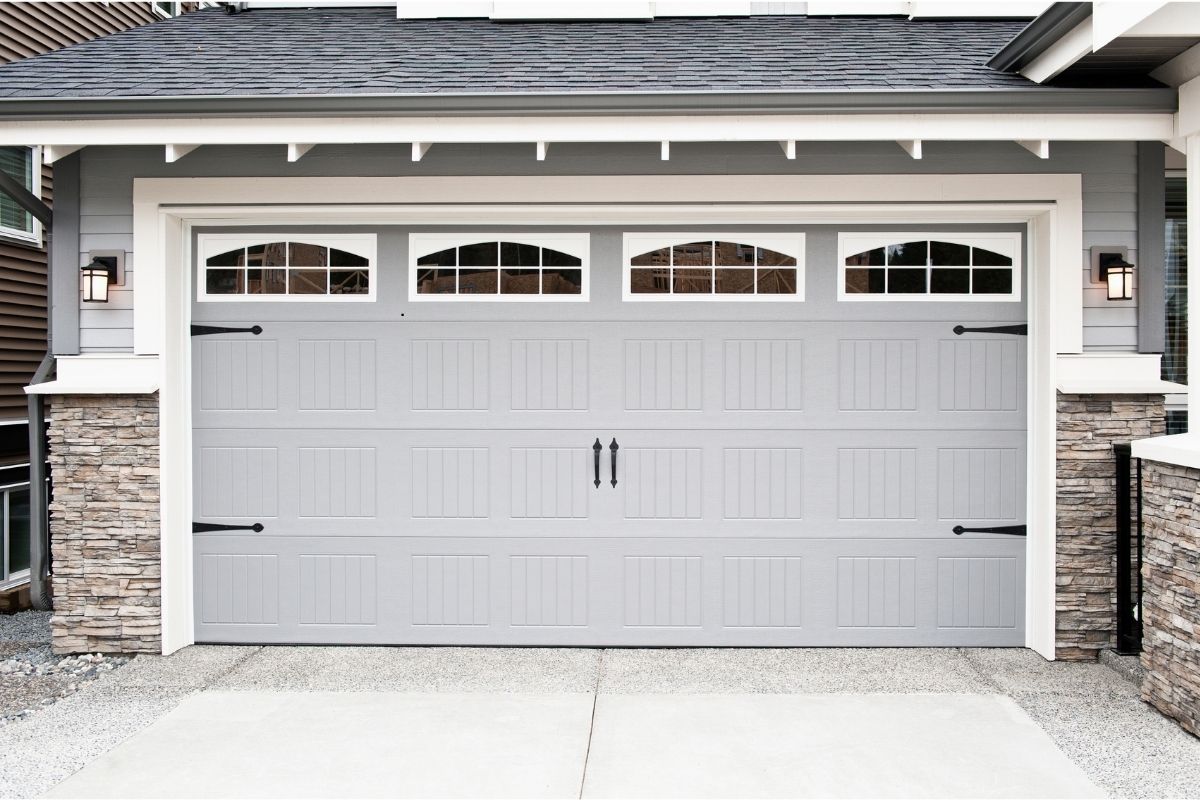
Garage door gaps can appear at the bottom, sides, frame, or one corner of the door. Some gaps are small at first, but they can still affect comfort, weather protection, and how well the garage stays sealed.
A gap may come from a worn bottom seal, damaged side seal, uneven garage floor, track alignment issue, or door that is not closing evenly.
In Calgary, gaps can feel more noticeable during cold months because drafts, snow, ice, and road salt can affect the lower part of the garage door area.
The goal is to understand where the gap is showing. A bottom gap, side gap, one-sided gap, or frame gap can each point to a different cause.
Key Takeaways
- Garage door gaps can appear at the bottom, sides, frame, or one corner.
- A garage door gap at bottom often points to worn bottom seals, floor slope, or closing position.
- Side gaps may come from damaged side seals, frame seal issues, or alignment problems.
- Calgary cold, snow, ice, and freeze-thaw changes can make sealing problems more noticeable.
- Homeowners can safely check visible gaps, damaged seals, debris, and uneven closing before requesting repair.
Tip: Before replacing seals, check where the gap appears, bottom, side, frame, or one corner, because each location points to a different cause.
Garage Door Gaps At A Glance
Garage door gaps are usually caused by sealing, alignment, floor, or frame issues.
The door needs to sit properly against the floor and frame. The bottom seal should touch the floor. Side seals should close the vertical edges. The frame seal should help block light, drafts, and debris around the opening.
If any of these parts wear out or move out of position, a gap can appear.
Common signs include light coming through the bottom, cold air entering the garage, water leaking under the door, pests getting inside, or one side of the door not sealing properly.
Small gaps may not always mean the whole door is damaged. The location of the gap usually helps narrow down the cause.
Garage door gaps can appear at the bottom, sides, frame, or one corner of the door. Common causes include worn weather stripping, damaged bottom seals, uneven floors, track alignment issues, door balance problems, or a door that no longer sits evenly in the opening.
Garage Door Gap At Bottom And Floor Sealing Issues
A garage door gap at bottom is one of the most common sealing issues homeowners notice.
You may see daylight under the door. Cold air may enter the garage. Water, leaves, snow, dust, or small pests may also get in through the opening.
A gap under garage door can happen when the bottom seal is worn, cracked, flattened, or missing. It can also happen when the floor is uneven or the door does not close evenly.
Sometimes the garage door is fine, but the floor has a slope or low spot that stops the seal from touching all the way across.
Worn Bottom Seal
The bottom seal sits along the lower edge of the garage door.
Over time, it can harden, crack, flatten, tear, or pull away. When that happens, a gap between garage door and floor may appear.
Uneven Garage Floor Or Threshold
An uneven floor can leave space under one part of the door.
A threshold seal may help in some cases, but the door and bottom seal should still be checked first.
A garage door gap at bottom often comes from a worn bottom seal, uneven garage floor, damaged threshold, or the door not closing evenly. If light, cold air, water, or debris enters under the door, the bottom seal and floor contact should be checked.
Garage Door Gaps On Sides And Frame Problems
Garage door gaps on sides are different from bottom gaps.
Side gaps usually happen when the side seals are worn, the frame seal is damaged, or the door is not sitting evenly in the opening.
If your garage door is not sealing on sides, replacing the bottom seal may not fix the problem. The side weather stripping, frame condition, door position, and track alignment may need to be checked.
Worn Side Seals
Side seals can crack, shrink, loosen, or lose contact with the edge of the door.
When this happens, light, drafts, dust, or pests may enter along the vertical sides.
Frame Seal And Door Position
The frame seal helps close the space between the garage door and the opening.
If the door does not sit squarely, or if the seal is damaged, a gap between garage door and frame can appear.
Garage door gaps on sides usually happen when side seals are worn, the frame seal is damaged, or the door is not sitting evenly in the opening. A garage door not sealing on sides may need weather stripping, frame seal, or alignment checks.
What Does A Garage Door Gap On One Side Mean?
A garage door gap on one side can mean the door is not closing evenly.
This does not always mean the panel is damaged. One-sided gaps can happen because of track position, worn seals, door alignment issues, floor slope, or the door sitting slightly out of square.
You may notice that one side touches the floor while the other side leaves a small space. You may also see more light on one vertical side than the other.
A one-sided gap should be checked because it may point to movement or alignment issues, not just weather stripping.
If the door also moves unevenly, makes noise, or seems crooked, the cause may be more than a simple seal replacement.
A garage door gap on one side can point to uneven closing, track position, frame seal wear, door alignment issues, or a floor slope. One-sided gaps should be checked because they may show the door is not sitting squarely.
Weather Stripping, Bottom Seal, And Threshold Seal
Weather stripping helps close small spaces around the garage door.
The bottom seal closes the space between the door and floor. Side seals close the vertical edges. Frame seals help close the door opening. A threshold seal is usually placed on the floor to improve contact under the door.
When these seals crack, harden, flatten, shrink, or pull away, gaps can appear.
Bottom Seal And Threshold Seal
The bottom seal is attached to the garage door.
A threshold seal sits on the floor. It may help when the floor is uneven or water enters under the door, but it should not hide a larger alignment issue.
Side And Frame Seals
Side and frame seals help block drafts and light around the door edges.
If these seals are loose or damaged, the door may look closed but still allow air, dust, or pests inside.
Weather stripping helps close small spaces around the garage door. The bottom seal, side seals, frame seal, and threshold seal all help block drafts, water, snow, dust, and pests. When these seals crack, harden, flatten, or pull away, gaps can appear.
Safe Checks Homeowners Can Make
Homeowners can safely inspect many sealing problems without tools.
Start by looking for visible light around the bottom, sides, and frame. Check whether the bottom seal looks cracked, flat, missing, or pulled away. Look for debris, ice, leaves, or dirt near the floor.
Safe checks include:
- Look for light around the bottom or sides
- Check if the bottom seal is cracked, flat, or missing
- Look for gaps between the door and frame
- Clear leaves, ice, dirt, or debris near the floor
- Notice if one side closes lower than the other
- Avoid forcing track, spring, or cable adjustments
If the door is crooked, noisy, stuck, or moving unevenly, avoid forcing the opener. The gap may be connected to alignment or movement problems.
When Garage Door Gaps Need Repair
Garage door gaps need repair when cold air, water, pests, snow, or dust enter the garage, or when the door does not close evenly.
Seal replacement may be enough if the issue is only worn weather stripping. But if the door is crooked, the gap is only on one side, the tracks look misaligned, or the floor contact is uneven, a deeper inspection may be needed.
A proper check can look at seals, floor contact, frame condition, track position, door alignment, and weather protection.
If the gap is caused by alignment problems, damaged components, or other door issues, professional garage door repair may be needed to restore a proper seal and smooth operation.
Active Overhead Doors can inspect sealing, alignment, weather stripping, and repair concerns for Calgary homeowners.
Garage door gaps need repair when cold air, water, pests, snow, or dust enter the garage, or when the gap is caused by damaged seals, uneven movement, track alignment, frame issues, or a door that does not close evenly.
Conclusion
Garage door gaps can come from worn seals, bottom gaps, side gaps, one-sided gaps, uneven floors, Calgary weather, or door alignment problems.
The best first step is to notice where the gap appears. A bottom gap, side gap, frame gap, or one-corner gap can each point to a different cause.
If gaps allow cold air, water, snow, pests, or dust inside, they should not be ignored. Check visible seals and debris safely, but avoid forcing track, spring, or cable adjustments.
FAQs
Can I Fix A Garage Door Gap Myself?
Some simple gap issues can be checked by homeowners, such as clearing debris, checking for visible weather stripping damage, or noticing where light enters. If the issue is only a worn seal, replacement may help. However, gaps caused by track position, spring tension, cables, door alignment, or frame problems should be inspected properly instead of forced.
Why Is There Light Coming Through My Garage Door?
Light can come through the garage door because of worn bottom seals, side gaps, frame seal damage, uneven closing, or a gap between the door and floor. The location of the light usually helps identify the cause. Light at the bottom points to seal or floor contact, while light on the sides may point to side seals or alignment.
Do Garage Door Gaps Let Pests Inside?
Yes, garage door gaps can allow insects, mice, dust, leaves, and small debris into the garage. Even a small opening can become noticeable when the garage is dark, warm, or has stored items. Sealing gaps can help reduce entry points, but the correct repair depends on whether the gap is from seals, floor contact, or alignment.
Should I Use A Threshold Seal For A Bottom Gap?
A threshold seal can help close some bottom gaps, especially when the garage floor is uneven or water enters under the door. It is placed on the floor to improve contact with the bottom seal. Before using one, the door, bottom seal, and closing position should still be checked to make sure the gap is not caused by a larger issue.
Why Does My Garage Door Seal In Summer But Gap In Winter?
Cold weather can harden rubber seals, ice can build up near the bottom, and freeze-thaw changes can make small sealing issues more visible. This can make a door seem sealed in warmer months but drafty in winter. The seal may still need replacement if it has cracked, flattened, or lost flexibility.
Can A Crooked Garage Door Cause Side Gaps?
Yes, a crooked or uneven garage door can create side gaps because the door may not sit squarely in the frame. This can leave one side tighter and the other side open. If the door also moves unevenly, rubs, or makes noise, the issue may involve alignment, tracks, rollers, cables, or balance.