

Garage Door Broken Spring Symptoms To Spot Early
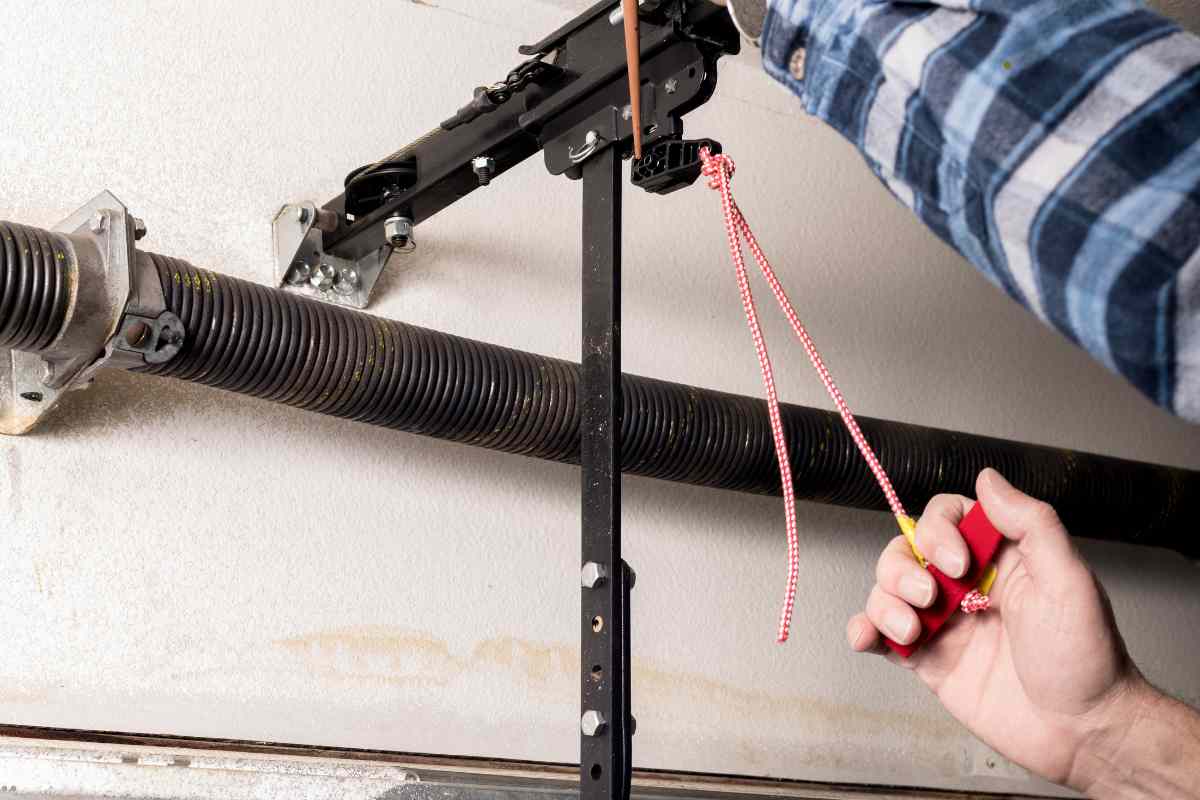
A garage door can start acting differently without much warning. It may feel heavier than usual, open only a few inches, jerk while moving, or make a loud bang from inside the garage.
These changes can be stressful because the problem is not always obvious. Sometimes it is the opener. Sometimes it is the cable, track, roller, or balance of the door. But in many cases, garage door broken spring symptoms show up through movement, noise, and lifting problems.
A garage door spring helps carry much of the door’s weight. When the spring is damaged or broken, the door can become unsafe to use. The opener may also struggle because it is not designed to lift the full weight of an unbalanced door.
Key Takeaways
-
A broken spring can make your garage door feel really heavy.
-
Loud bangs and jerking and uneven movement can be warning signs that something’s wrong with the garage door.
-
The garage door opener may struggle to open the garage door because the garage door is no longer balanced properly.
-
People who own homes can look for damage to the garage door spring but they should not touch the springs or the cables because this can be dangerous.
- Spring issues should be checked early because they can create safety risks.
Tip: If your garage door feels heavy, opens unevenly, or makes a loud bang, stop using it and have the spring checked before forcing it open again.
Sudden Heavy Garage Door Movement
One of the first warning signs is a door that suddenly feels heavy.
A properly balanced garage door should not feel extremely difficult to lift by hand. The spring system helps support the weight, so the opener and the person using the door are not carrying the full load.
When spring tension is lost, the door may feel much heavier than normal. This can happen with both torsion springs and extension springs.
You may notice the door feels stuck, drops quickly, or becomes hard to lift manually. This can be a sign of a broken garage door spring or developing spring damage.
This does not mean you should keep testing the door again and again. If the door feels unusually heavy, stop using it until it is checked. Forcing the door can make the problem worse and may put extra strain on the opener.
Garage Door Not Lifting Properly
A garage door that will not lift properly is another common warning sign.
Sometimes the opener starts running, but the door only moves a few inches. Other times, the door starts to rise and then stops. This can make homeowners think the opener is weak or broken.
That may be true in some cases. But one of the garage door broken spring symptoms homeowners often notice is a door that opens only partway because the opener is struggling with too much weight.
A garage door opener is designed to move a balanced door. It is not built to replace the lifting support of a spring system.
Garage door springs are often rated by cycles. One cycle means the door opens once and closes once. Raynor notes that torsion springs commonly have a lifespan around 10,000 to 15,000 cycles, depending on the system and spring type. In simple terms, daily use slowly wears down over time.
Door Opens Only A Few Inches
If the door opens a little and stops, the opener may be sensing too much resistance.
This can happen when the spring is broken, stretched, or no longer helping carry the door weight.
Opener Strain After Spring Failure
If you keep pressing the opener button, the motor may strain. You may hear humming, clicking, or stopping during the cycle.
This can turn one spring issue into a larger opener problem.
Garage Door Spring Noise Before Or After Failure
A sudden loud noise from the garage can be a spring warning sign.
Many homeowners describe it as a bang, snap, or pop. It may sound like something heavy fell inside the garage, even when nothing is on the floor.
Some garage door spring noise can happen before complete failure. You may hear popping, creaking, or straining sounds when the door opens or closes.
Older garage doors can make normal operating sounds, but a sudden new noise should not be ignored. Noise becomes more concerning when it comes with heavy movement, jerking, uneven travel, or the door not lifting properly.
Loud Bang From The Garage
A spring can break when the door is closed. That is why some homeowners hear a loud bang at night or when nobody is using the door.
If this happens, avoid opening the door until the spring is inspected.
New Popping Or Straining Sounds
Popping or straining sounds can point to spring tension problems, worn parts, or a door balance issue.
The sound alone does not confirm the cause, but it is a clear reason to stop and check the system safely.
Garage Door Jerking And Uneven Movement
Garage door jerking can happen when the door is not moving evenly through its track.
A spring problem can create uneven tension. When one side is carrying more load than the other, the door may shake, jump, or move roughly.
Garage door uneven movement can also involve cable tension, rollers, tracks, or hinges. That is why it is important to inspect the full door system instead of guessing.
If the door looks crooked while opening, closes unevenly, or shakes during movement, stop using it. These signs can point to a balance problem and may create a safety concern.
A jerking door should not be forced open. The more the system struggles, the more stress moves into other parts.
Visible Garage Door Spring Damage
Some spring problems can be spotted visually from a safe distance.
You should not touch the spring, cable, or brackets. These parts can hold tension and may be dangerous. But you can look for obvious signs of damage.
These garage door broken spring symptoms may include a visible gap in the torsion spring, a stretched extension spring, loose cables, or a spring that looks separated.
Torsion springs are usually mounted above the garage door. Extension springs are usually located along the sides of the door.
Torsion Spring Damage
A broken torsion spring often shows a clear gap in the coil.
If you see a gap above the door, do not try to move or adjust the spring yourself.
Extension Spring Problems
An extension spring may look stretched, loose, separated, or uneven.
You may also notice cables hanging loosely near the side of the door.
Can You Use A Garage Door With Spring Problems?
Using a garage door with spring problems is not a good idea.
A broken or damaged spring can make the door too heavy and unpredictable. The door may drop quickly, move unevenly, or stop halfway.
The opener can also be damaged if it is forced to lift a door that no longer has proper spring support. The opener guides the door, but the spring system helps carry the weight.
If the door is stuck closed, avoid trying to force it open. If it is stuck open, keep people and vehicles away from the door until it is inspected.
The safest step is to stop using the door and arrange a proper inspection. This helps prevent injury, opener strain, and additional door damage.
Calgary Spring Failure Causes And Repair Timing
Garage door springs can fail due to a number of reasons, including:
- Age and daily use.
- Rust and corrosion.
- Poor balance.
- Lack of maintenance.
- Repeated door cycles.
If a spring is already worn, winter conditions can make the problem show up faster.
Homeowners dealing with spring issues can visit the Garage Door Spring Repair to get the spring, cable, opener, or balance issue fixed.
Conclusion
A broken spring is not always obvious at first. The door may simply feel heavy, move unevenly, make a loud noise, or stop lifting properly.
The safest approach is to notice the signs early and stop using the door before the issue becomes worse. Springs support the door’s weight, and forcing a damaged system can create extra risk.
If you notice garage door broken spring symptoms, do not touch the spring or cables. Look from a safe distance, avoid forcing the opener, and have the full door system checked.
FAQs
Can a garage door spring break without any warning?
Yes a garage door spring can break suddenly especially if the garage door spring is already worn out or near the end of its life cycle. Many people hear a noise when the garage door spring breaks, even if the garage door is not being used at that moment. In some cases there are signs that appear before the garage door spring breaks. These signs may include the garage door moving heavier the garage door traveling unevenly noises from the garage door spring or the garage door only opening a few inches.
How long do garage door springs usually last?
The life of a garage door spring depends on how times the garage door is used, the weight of the garage door if there is any rust if the garage door is balanced and how well the garage door is maintained. Many garage door springs in homes are rated by how times the garage door is opened and closed, not just by years. If a family uses the garage door times a day the garage door springs may wear out faster than a family that uses the garage door only occasionally.
Should both garage door springs be replaced at the time?
In cases it is a good idea to replace both garage door springs when one of them breaks especially if both garage door springs were installed at the same time. The other garage door spring may be worn out too. May break soon. A technician can check the garage door spring setup and the balance of the garage door before deciding if one or both garage door springs should be replaced.
Why is my garage door opener running but the door not moving?
If the garage door opener is running but the garage door is not moving the problem may be with the garage door spring, the cable, the trolley, the opener gear or the balance of the garage door. If the garage door spring is broken it can make the garage door too heavy for the opener to lift. It is better not to keep pressing the opener button because it may damage the motor or the opener parts.
What should I do right after a garage door spring breaks?
Stop using the garage door away. Keep people, pets and cars away from the garage door especially if it is stuck open or sitting unevenly. Do not touch the garage door spring, the cables, the brackets or the opener parts. Arrange for an inspection so the garage door can be repaired without causing more damage.
Can a broken garage door spring cause the garage door to close fast?
Yes a damaged garage door spring can affect how the weight of the garage door is controlled. If the garage door spring cannot support the garage door properly the garage door may close faster, than normal. Feel harder to control. This is a safety concern. Should be checked quickly. A garage door that drops or closes fast should not be used until it is repaired.