

Common Garage Door Parts Problems Homeowners Should Know
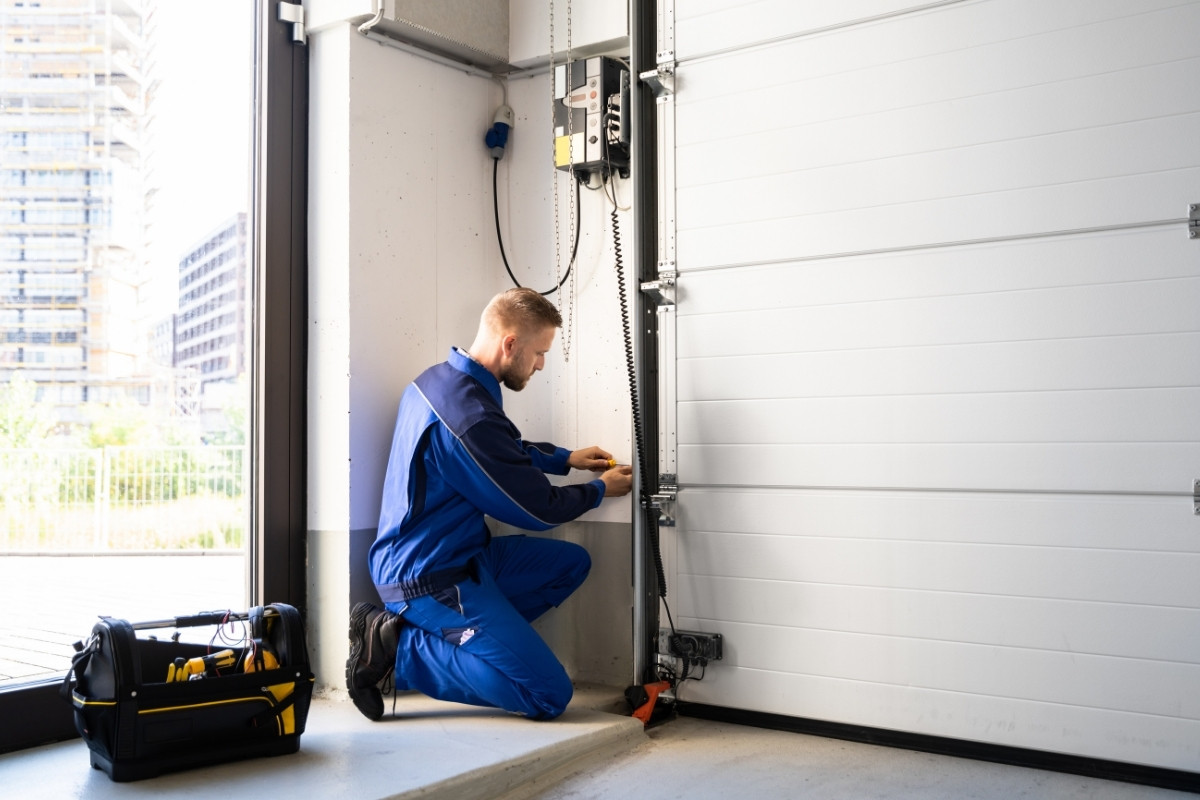
A garage door has many moving parts working together. If one part becomes loose, worn, bent, or damaged, the whole door can start acting differently.
Homeowners may first notice a squeaking sound, shaking movement, uneven closing, a gap near the bottom, opener strain, or the door getting stuck halfway.
Common garage door parts problems often involve rollers, brackets, cables, tracks, hinges, seals, bearing plates, and cable drums. Some of these parts can be checked visually. Others, especially cables, drums, and bearing plates, should not be adjusted by homeowners because they may be connected to tension-loaded parts.
Many residential garage door springs are commonly rated around 10,000 cycles. One cycle means one full open and one full close. In simple words, daily use slowly wears related moving parts over time.
Key Takeaways
- Common garage door part issues often involve rollers, brackets, cables, tracks, hinges, seals, bearing plates, and cable drums.
- Early warning signs include noise, shaking, uneven movement, gaps, frayed cables, and rough door travel.
- Roller brackets, hinges, and tracks can affect how smoothly the door moves.
- Cables, bearing plates, and cable drums are safety-sensitive parts and should not be adjusted by homeowners.
- Calgary cold, moisture, road salt, and freeze-thaw conditions can make seal and hardware wear more noticeable.
Tip: If the door sounds rough, moves unevenly, or shows loose cables, stop using it and check visible parts only from a safe distance first.
Common Garage Door Parts Problems At A Glance
Garage door parts work as one system.
Rollers help the door move through the tracks. Brackets help support roller position. Cables help lift and balance the door. Hinges connect panels and allow movement. Tracks guide the rollers. Bottom seals help block cold air, water, dust, and pests.
Common garage door parts problems often show up through symptoms before a full breakdown happens. You may hear grinding, rattling, or scraping. You may see the door move unevenly. You may notice gaps, loose hardware, frayed cables, or a door that feels heavier than usual.
The tricky part is that symptoms can overlap. A noisy door could involve rollers, hinges, tracks, brackets, or opener strain. A crooked door could involve cables, tracks, rollers, or balance issues.
That is why it is better to observe the whole door instead of guessing from one sound.
Common garage door parts problems often involve rollers, brackets, cables, tracks, hinges, bottom seals, bearing plates, and cable drums. These parts help the door move, balance, seal, and stay aligned, so wear in one part can affect the full door system.
Roller Brackets And Garage Door Brackets In Door Movement
Roller brackets and garage door brackets may look small, but they affect how the door moves.
A garage door roller bracket helps hold the roller in the right position as the door travels through the track. If the bracket becomes loose, bent, or damaged, the roller may not move smoothly.
This can cause shaking, scraping, rattling, or uneven movement. It can also make the opener work harder because the door is not travelling cleanly.
Garage door brackets should not be ignored if they look bent, loose, or stressed. A small bracket issue can create more wear on rollers, hinges, tracks, and the opener.
How Roller Brackets Affect Movement
The roller needs to stay aligned with the track.
If the bracket shifts, the roller may wobble or drag. This can make the door sound rough or move unevenly.
Early Signs Of Bracket Or Roller Wear
Watch for rattling, scraping, shaking, roller wobble, loose visible hardware, or a door that feels rough during travel.
If these signs appear with opener strain, the issue may be more than simple noise.
A damaged garage door roller bracket can cause uneven movement, shaking, scraping, or roller misalignment. The bracket helps support the roller, so looseness or bending can affect how smoothly the door travels through the track.
Broken Door Cables, Worn Bearing Plates, And Faulty Cable Drums
Broken door cables are more serious than many visible hardware issues.
Cables help lift and balance the door. If a cable frays, slips, or breaks, the door may become crooked, heavy, or unsafe to move.
Worn bearing plates and faulty cable drums can also affect door balance and movement. Bearing plates help support shaft movement. Cable drums help guide the cables as they wind and unwind.
If these parts do not work properly, the door may lift unevenly, make noise, or feel strained.
Why Cable Parts Are Safety-Sensitive
Cables, drums, and bearing plates can be connected to parts under tension.
Homeowners should not pull, loosen, tighten, or adjust them. These parts need proper tools and knowledge.
Balance Problems And Opener Strain
If cable tension is uneven, the door may not lift straight.
This can put extra strain on the opener and may cause the door to stop, shake, or move crookedly.
Broken door cables, worn bearing plates, and faulty cable drums are more serious because they are connected to door lifting and balance. Homeowners should not adjust these parts because they may be under tension.
Bent Door Tracks And Loose Door Hinges
Bent door tracks can stop the rollers from moving smoothly.
Even a small bend can create scraping, rubbing, or jamming. If the rollers cannot travel cleanly, the door may shake, stop halfway, or move unevenly.
Loose door hinges can also cause problems. Hinges help panels move together as the door opens and closes. If hinges loosen or wear out, the panels may rattle, shift, or move out of alignment.
These issues often start with small sounds. A homeowner may hear rattling, scraping, or a rough rolling sound before the door becomes stuck.
Track Alignment And Stuck Movement
Tracks guide the rollers.
If a track is bent, dirty, or misaligned, the rollers may drag or bind. This can make the door stop before opening or closing fully.
Hinge Wear And Panel Movement
Hinges help the door sections bend and move as one system.
Loose or worn hinges can create shaking, rattling, and panel misalignment.
Bent door tracks can stop rollers from moving smoothly, while loose door hinges can cause shaking, rattling, or panel misalignment. Both issues can start small but may lead to rough or uneven door movement.
Safe Visual Checks Homeowners Can Make
Homeowners can safely check some garage door parts from a distance.
The goal is to observe, not adjust. Do not pull cables, loosen brackets, tighten parts near tension, or touch springs, drums, or bearing plates.
Safe visual checks include:
- Look for frayed or loose cables without touching them
- Check if the door moves evenly
- Listen for grinding, rattling, or scraping
- Look for bent tracks or loose visible hardware
- Check the bottom seal for gaps or damage
- Watch for opener strain or repeated stopping
If the door looks crooked, feels heavy, or moves roughly, stop using it. Repeated use can turn a small part issue into a larger repair.
When Do Garage Door Parts Problems Need Repair?
Garage door parts problems need repair when the door becomes heavy, crooked, noisy, stuck, off track, or unsafe to operate.
Repair is also important when cables are frayed, tracks are bent, brackets look stressed, hinges are loose, seals are damaged, or the opener strains during movement.
Homeowners who notice repeated issues can review our repair and maintenance services to better understand the type of service their home may need.
A full inspection should look at rollers, brackets, cables, tracks, hinges, seals, bearing plates, cable drums, balance, and opener strain. This helps confirm whether the issue is small, connected to another part, or unsafe to keep using.
Active Overhead Doors can inspect worn parts, movement issues, opener strain, seals, and safety concerns for Calgary homeowners.
Garage door parts problems need repair when the door is crooked, heavy, noisy, stuck, off track, has frayed cables, or moves unevenly. These signs can point to worn or unsafe parts that should not be forced.
Conclusion
Garage door parts work together. A small issue with a roller bracket, cable, track, hinge, bottom seal, bearing plate, or cable drum can affect movement, safety, sealing, and opener strain.
The safest approach is to watch for early signs. Noise, shaking, uneven movement, gaps, frayed cables, and rough travel should not be ignored.
Common garage door parts problems are easier to deal with when they are noticed early. Check visible parts safely, avoid tension-loaded hardware, and request help when the door becomes heavy, crooked, stuck, noisy, or unsafe.
FAQs
Which Garage Door Parts Wear Out First?
Rollers, hinges, cables, bottom seals, brackets, and moving hardware often show wear first because they are involved in daily door movement, sealing, or support. Warning signs may include noise, shaky movement, visible looseness, frayed cables, rough travel, or gaps around the bottom of the door.
Can I Tighten Garage Door Brackets Myself?
Some visible hardware may look simple, but brackets connected to rollers, cables, or tension-loaded areas should not be adjusted without proper knowledge. If a bracket looks bent, stressed, or connected near cable hardware, it is safer to stop using the door and have it inspected.
What Does A Frayed Garage Door Cable Mean?
A frayed garage door cable is a warning sign that the cable may be wearing, weakening, or close to failure. Cables help support lifting and balance, so they should not be touched or pulled. If you see fraying, uneven cable movement, or loose cable sections, avoid using the door until it is checked.
Can A Damaged Bottom Seal Affect Garage Door Operation?
A damaged bottom seal mostly affects weather protection, but it can also contribute to problems if ice, debris, or buildup forms around the lower edge of the door. In Calgary, damaged seals can allow snow, moisture, and road grit into the garage area, making seasonal wear more noticeable.
Why Does My Garage Door Shake While Opening?
A shaking garage door can come from worn rollers, loose brackets, loose hinges, bent tracks, cable tension problems, or opener strain. Because several parts can cause the same symptom, it is better to check the full door movement instead of assuming one part is the only issue.
How Often Should Garage Door Parts Be Checked?
Homeowners can visually check garage door parts seasonally, especially before winter and after periods of heavy use. Look for noise, uneven movement, seal damage, loose hardware, or visible cable wear. A professional maintenance check is useful when the door becomes louder, rougher, heavier, or starts moving unevenly.