

Common Garage Door Opener Problems And Solutions
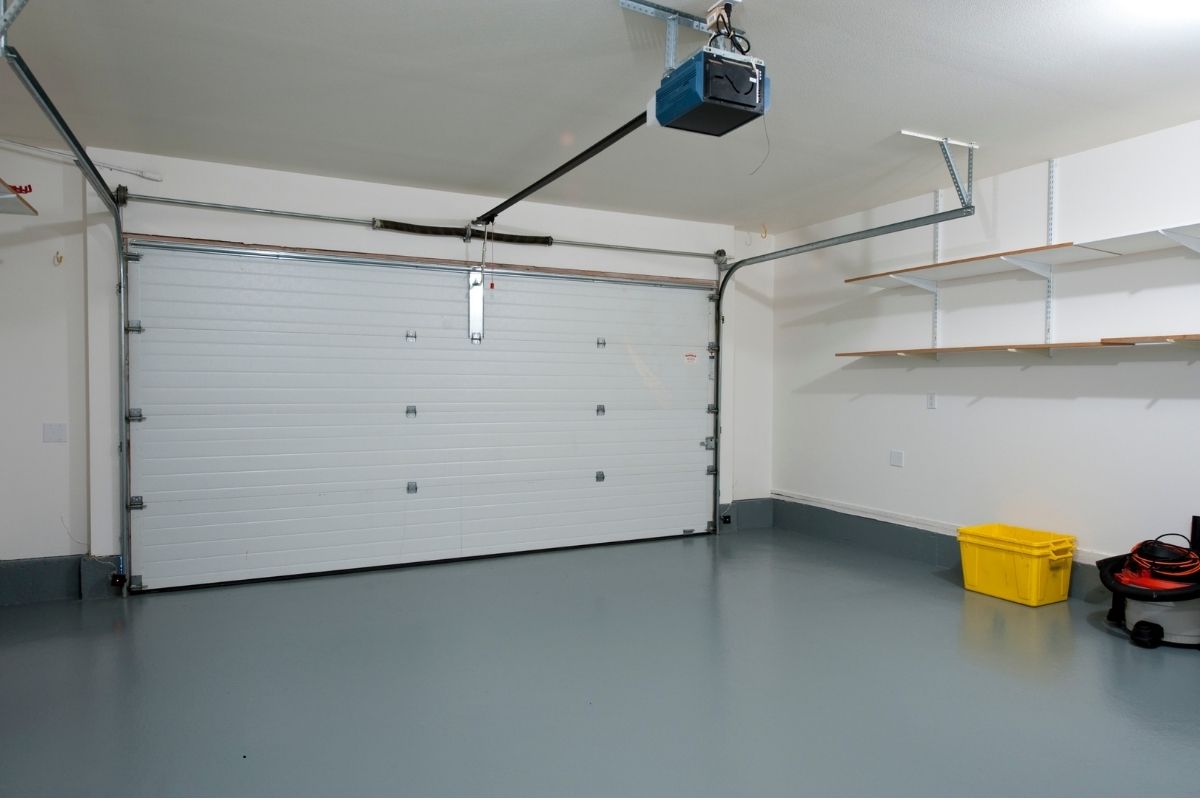
A garage door opener problems can be frustrating because the door may not respond, may move only partway, may make noise, or may run without moving the door.
Some issues are simple. A dead remote battery, unplugged opener, tripped breaker, lock mode, or keypad issue can stop the opener from working.
Other issues may involve safety sensors, travel limits, force settings, opener parts, or the garage door itself.
Many garage door openers last around ten to fifteen years with normal use and maintenance. In simple words, an older opener that has been used daily for years may start showing more frequent problems over time.
Key Takeaways
- Garage opener not working issues may come from power, remote, wall switch, sensor, keypad, or opener settings.
- If the opener motor runs but the door does not move, the trolley, emergency release, or door balance may be involved.
- Blinking opener lights often point to safety sensors, obstruction, or system communication issues.
- Garage door opener noise can come from chain drive wear, belt issues, motor strain, or opener gear wear.
- Calgary cold weather can make opener problems worse when the door is stiff, heavy, or not moving smoothly.
Tip: If the opener runs but the door does not move smoothly, stop testing it repeatedly and check power, sensors, and door movement safely first.
Opener Remote Issues And Simple Power Checks
When a garage opener not working issue happens, start with the simple checks.
Press the wall button. Replace or test the remote batteries. Make sure the opener is plugged in. Check the breaker. Look at the wall control to see if lock mode is turned on.
Opener remote issues can also come from lost programming, distance, weak signal, or interference. Sometimes the remote is the problem, not the opener motor.
Remote Battery, Signal, And Programming
A weak battery can make the remote work sometimes and fail other times.
If the remote still does not work after changing the battery, it may need reprogramming or replacement.
Wall Switch, Outlet, And Breaker Checks
If the wall switch does not respond, check whether the opener has power.
An unplugged opener, tripped breaker, or wall control issue can make the opener seem completely dead.
Overhead Door Opener Motor Running But Door Not Moving
Sometimes the overhead door opener makes noise, but the door does not move.
This can happen when the trolley is disconnected from the opener. If the red emergency release cord was pulled, the opener may run while the door stays still.
It can also happen when the door is too heavy, jammed, or poorly balanced. The opener is not designed to lift the full weight of a heavy or stuck garage door by force.
Trolley Disconnected From The Opener
The trolley connects the opener to the door.
If it is disconnected, the motor may run normally, but the door will not move with it.
Door Balance And Opener Strain
A balanced garage door should move smoothly.
If the door feels heavy, crooked, stuck, or hard to lift manually, the opener may strain or stop working properly.
Blinking Lights, Sensors, And Keypad Problems
Blinking opener lights often mean the opener is trying to show an error or safety issue.
A common cause is a safety sensor alignment issue. If the photo eye sensors are blocked, dirty, loose, or pointed incorrectly, the opener may not work properly.
Keypads can also create problems. A dead keypad battery, wrong code, lost programming, or weak signal can stop keypad access.
Since 1993, many residential garage door opener safety systems have used external protection like photo eye sensors or similar safety devices. In simple terms, sensors are not extra decoration. They are part of safe automatic door operation.
Safety Sensor Alignment Issue
Look near the bottom of both sides of the garage door.
If the sensor lights are off, blinking, blocked, or misaligned, the opener may not complete normal operation.
Keypad Code And Signal Problems
If the keypad is not opening the door, start with the battery and code.
If that does not help, the keypad may need reprogramming or replacement.
Garage Door Opener Noise And Drive System Wear
Some opener sound is normal. But new grinding, rattling, humming, or louder-than-usual operation should be checked.
Garage door opener noise can come from the drive system, motor strain, gear wear, loose opener parts, or a door that is hard to move.
Some garage door opener problems show up as noise before the opener fully stops working. That is why it helps to notice when the sound started and whether it is getting worse.
Chain Drive And Belt Drive Sounds
Chain drive openers are usually louder than belt drive openers.
Belt drive openers are often quieter, but they can still make noise if the belt is worn, loose, or under strain.
Motor Strain And Gear Wear
A noisy opener motor can point to wear inside the opener.
If the opener hums, grinds, or struggles while the door moves roughly, the door may also need to be checked.
Travel Limits, Force Settings, And Door Movement Problems
If the opener starts but stops before the door fully opens or closes, travel limits or force settings may be involved.
Travel limits tell the opener where to stop. Force settings help the opener understand how much resistance is normal.
However, force settings should not be used to push through a real door problem. If the door is stuck, heavy, off track, or moving roughly, increasing force can hide the issue and add strain.
The opener needs clear tracks, working rollers, correct settings, and a balanced door to operate properly.
When Does Garage Door Opener Troubleshooting Need Repair?
Some garage door opener troubleshooting can be done safely.
Homeowners can check the remote battery, wall switch, opener power, breaker, lock mode, sensor alignment, keypad battery, and visible obstructions.
If these checks do not solve the problem, review this opener repair services before deciding your next step.
Repair is more likely needed when the opener strains, the door is heavy, the motor runs without movement, the opener makes new loud noise, or the issue keeps returning.
Active Overhead Doors can inspect Calgary opener controls, sensors, drive system, door balance, settings, and repair needs before recommending the right solution.
Conclusion
Garage door opener problems can come from many places.
The cause may be simple, like a remote battery, keypad battery, lock mode, outlet, or breaker. It may also involve sensor alignment, trolley disconnection, drive system wear, opener settings, cold weather, or the garage door itself.
Start with safe checks first. If the opener strains, the door is heavy, the motor runs without movement, or the problem keeps coming back, stop forcing the system and get the full opener and door checked.
FAQs
Why Does My Garage Door Opener Click But Not Open?
A clicking sound may mean the opener is receiving power or a signal, but the motor, relay, trolley, or door system is not moving properly. It may also happen when the opener is trying to start but the door is too heavy or stuck. If clicking continues and the door does not move, avoid repeated testing. Repeated attempts can strain the opener if the door is jammed or under pressure.
Can A Garage Door Opener Work But The Door Still Be The Problem?
Yes, the opener may work but still fail to move the door if the door itself is too heavy, poorly balanced, off track, or affected by spring, cable, roller, or track issues. The opener is designed to move a working door, not force a damaged or stuck door. That is why the door condition should be checked along with the opener.
How Do I Know If My Garage Door Opener Needs Replacement?
Replacement may be worth considering if the opener fails often, makes loud motor noise, has unreliable controls, lacks modern safety features, or needs frequent repairs. An older opener may also struggle with heavier doors or newer smart features. A proper inspection can confirm whether repair or replacement makes more sense.
Why Does My Opener Remote Work Sometimes But Not Always?
Intermittent remote problems can come from weak batteries, signal interference, distance, antenna issues, lost programming, or remote wear. Start with the battery and try the remote closer to the opener. If the problem continues, the remote, receiver, or opener controls may need attention.
Can A Smart Opener Connection Problem Stop App Control?
Yes, smart opener app control can fail if the WiFi signal is weak, the app is disconnected, the account settings change, or the opener is not compatible with the smart system. Detached garages, thick walls, and poor WiFi coverage can also make app control unreliable. The opener may still work from the wall button or remote even if the app fails.
Should I Repair Or Replace A Noisy Garage Door Opener?
Repair may be enough if the noise comes from an isolated issue, such as loose hardware, chain adjustment, belt wear, or a simple part problem. Replacement may be better if the opener is old, unreliable, loud, underpowered, or causing repeated problems even after repair.