

Common Garage Door Cable Problems Homeowners Should Know
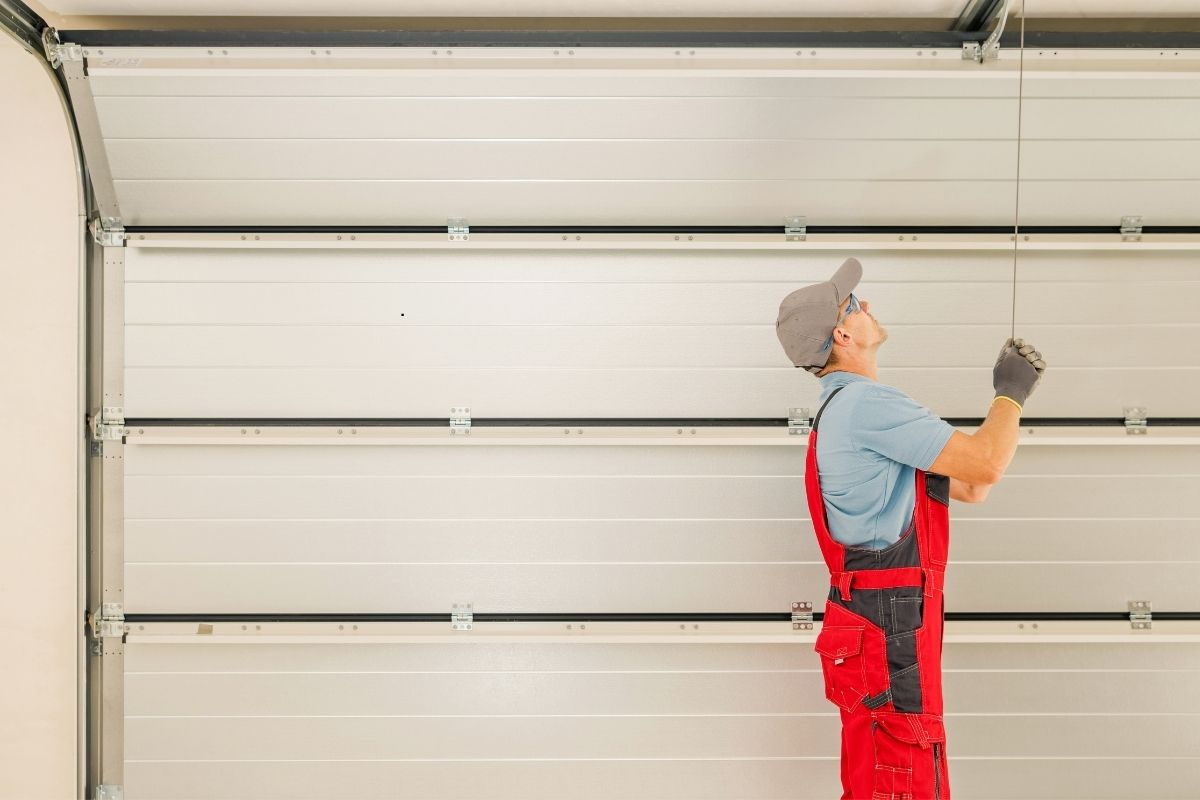
Garage door cables help lift and support the door as it opens and closes. When they are working properly, the door should move evenly and stay controlled.
But when cables become loose, frayed, snapped, or come off the drum, the door can become crooked, heavy, stuck, or unsafe to use. That is why Garage Door Cable Problems should not be ignored.
Homeowners may first notice small warning signs, such as uneven door movement, a cable hanging on one side, visible fraying, or the door sitting lower on one side.
Some checks can be done from a safe distance, but cables should not be pulled, tightened, or placed back on the drum by hand. Garage door cables work with spring tension and door weight, so sudden movement can happen.
Key Takeaways
- Garage door cables help support door lifting, balance, and smooth movement.
- Common warning signs include frayed cables, loose cables, uneven movement, and crooked door position.
- A broken garage door cable or snapped lift cable can make the door unsafe to use.
- Cable drum problems and cable tension issues can affect how evenly the door moves.
- Calgary cold, moisture, ice, and road salt can make cable wear and lower hardware issues more noticeable.
Valuable Tip: If you see a loose, frayed, or slipped cable, stop using the door and avoid pulling it back by hand; cable tension can shift suddenly.
Garage Door Cable Problems At A Glance
Garage door cables are part of the lifting system. They work with springs, drums, tracks, rollers, and door balance to help the door move evenly.
Common cable problems include fraying, looseness, snapping, uneven tension, and cables slipping off the drum. These issues can affect how the door lifts and closes.
A cable problem may not always look dramatic at first. A small fray, a loose loop, or one side of the door sitting lower can be an early warning sign.
The important thing to remember is that the cable does not work alone. If a cable looks wrong, the spring tension, cable drum, door balance, and tracks may also need to be checked.
Garage Door Cable Problems often include frayed cables, loose cables, snapped lift cables, cable tension issues, and cables coming off the drum. These problems can affect how the door lifts, balances, and moves, so they should not be ignored.
Frayed Cable Signs And Loose Door Cable Issues
Frayed cable signs can include visible wire strands, rust, rough texture, thinning sections, or small broken strands along the cable.
A little fraying may not seem serious, but it can mean the cable is weakening. If the cable continues to wear, it may eventually snap or lose proper tension.
A loose door cable is also a warning sign. It may hang, loop, or sit unevenly near the drum. It may also appear loose on only one side of the door.
Homeowners should not pull a loose cable back into place. A loose cable can be connected to spring tension, drum movement, balance issues, or a door that has shifted.
Early Fraying And Rust
Fraying and rust often show that the cable surface is wearing down.
Moisture, age, repeated use, and rough movement can all contribute to visible cable damage.
Loose Cable Loops Near The Drum
A cable loop near the drum can mean the cable is not winding properly.
This should be checked carefully because the cable may be under uneven tension.
Frayed cable signs include visible wire strands, rust, thinning sections, or rough cable texture. A loose door cable may hang, loop, or sit unevenly near the drum, and it should not be pulled or tightened by hand.
Broken Garage Door Cable And Snapped Lift Cable Risks
A broken garage door cable can make the door unsafe very quickly.
Lift cables help support the door during movement. When a cable breaks or snaps, one side of the door may lose support. The door may become crooked, heavy, unstable, or stuck.
A snapped lift cable can also make the opener struggle. The opener may try to move the door, but the door is no longer lifting evenly.
This is why homeowners should not keep pressing the opener button if the door looks crooked or has a broken cable. Forcing the opener can make the problem worse and may create more damage.
Some repair sources warn that a garage door with a broken cable can fall without warning. In simple terms, the cable helps control door weight, so a broken cable should be treated as a safety issue.
A broken garage door cable or snapped lift cable can make the door heavy, crooked, unstable, or unsafe to operate. The opener should not be used to force the door because the cable helps support door movement.
Uneven Door Movement And Cable Tension Issues
Cable tension issues can cause the garage door to move unevenly.
One side may lift faster than the other. The door may look crooked. It may sit lower on one side, scrape the track, or stop partway during movement.
This can happen when one cable is loose, worn, off drum, or not carrying tension properly. It can also be connected to spring tension or overall door balance.
Uneven movement is sometimes mistaken for an opener problem. But if the door is crooked, the cable system should be checked before assuming the opener is the only issue.
Crooked Door Movement
A crooked door often means both sides of the lifting system are not working evenly.
This may involve a loose cable, broken cable, cable off drum, or tension problem.
Spring Tension And Cable Support
Cables and springs work together.
If spring tension is not supporting the door correctly, the cables may not wind and lift evenly.
Cable tension issues can cause uneven door movement, crooked lifting, or one side of the door sitting lower than the other. This may happen when a cable is loose, worn, off drum, or not working evenly with the spring system.
Cable Drum Problems And Overhead Door Cables
Cable drums help guide overhead door cables as the door opens and closes.
As the door moves, the cable should wind and unwind evenly around the drum. If the cable slips, overlaps, loosens, or comes off the drum, the door may stop moving smoothly.
Cable drum problems can lead to crooked lifting, jamming, loose cables, or uneven tension.
The drum may not be easy for homeowners to understand at first, but it plays an important role. It helps keep cable movement controlled and even on both sides of the door.
A cable off the drum should not be treated as a simple DIY fix. The cable may be connected to spring tension and door balance.
Cable drum problems can affect how overhead door cables wind and unwind. If the cable slips off the drum or winds unevenly, the door may lift crooked, jam, or stop moving smoothly.
Calgary Weather And Garage Door Cable Wear
Calgary weather can make cable wear and lower garage door hardware issues more noticeable.
Cold weather can make parts stiff. Moisture and road salt can contribute to rust. Ice or snow buildup near the bottom of the door can make movement rougher.
Weather may not be the only reason a cable wears out, but it can add stress to parts that are already aging, rusty, or moving unevenly.
Seasonal maintenance can help catch frayed cable signs, loose hardware, rough movement, and lower door wear before the problem becomes more serious.
Safe Checks Homeowners Can Make From A Distance
Homeowners can look for cable problems, but they should do it from a safe distance.
The goal is to observe, not adjust. Do not pull a loose cable, tighten a cable, place a cable back on the drum, or keep using the opener if the door is crooked.
Safe visual checks include:
- Look for frayed or rusty cable strands
- Check if one cable looks loose or hanging
- Notice if the door sits crooked
- Watch for uneven door movement
- Look for a cable off the drum from a safe distance
- Stop using the door if it feels heavy, stuck, or unstable
If the door is open and the cable looks damaged, stay clear of the door. A cable problem can affect balance and support.
Homeowners can safely look for frayed cables, loose cable loops, crooked movement, or cables off the drum from a distance. They should stop using the door if it is crooked, heavy, stuck, or has a broken or loose cable.
When Do Garage Door Cable Problems Need Repair?
Garage Door Cable Problems need repair when the cable is frayed, loose, snapped, off drum, or causing uneven door movement.
Repair may also be needed when the door is crooked, heavy, stuck halfway, noisy, or lower on one side. These signs can point to a cable issue, but they may also involve springs, drums, tracks, rollers, or door balance.
That is why cable repair should usually include a full system check. Replacing only the visible cable may not solve the cause if tension or drum movement is also affected.
Active Overhead Doors can inspect cable issues, door balance, spring tension, drums, and uneven door movement for Calgary homeowners.
Garage Door Cable Problems need professional repair when cables are frayed, snapped, loose, off drum, or causing uneven door movement. Cable repair often involves tension and balance, so it should not be treated as a simple DIY fix.
Conclusion
Garage Door Cable Problems are easier to handle when homeowners recognize early signs.
Frayed cables, loose cables, snapped lift cables, cable drum problems, and uneven door movement should not be ignored. These issues can affect lifting, balance, safety, and opener strain.
The safest approach is simple. Look from a distance, avoid touching cables, stop using the door if it is crooked or unstable, and have the full system checked when cable damage appears.
FAQs
Can I Open My Garage Door With One Broken Cable?
No, it is not safe to keep using the garage door with one broken cable. One cable may still look attached, but the door can become crooked, heavy, unstable, or unsafe to move. Using the opener can make the door shift unevenly or create more damage. The safer choice is to stop using the door until the cable system is inspected.
Why Is My Garage Door Cable Loose On One Side?
A garage door cable can become loose on one side because of uneven cable tension, a cable drum problem, spring tension issues, or door balance problems. It should not be pulled back into place by hand. A loose cable can be a sign that the door is not lifting evenly and may need a full system check.
What Does It Mean If My Garage Door Cable Is Fraying?
A fraying garage door cable means the cable strands are wearing down or weakening. You may see broken wire strands, rust, thinning areas, or rough texture. Fraying is an early warning sign. It should be inspected before the cable snaps or causes uneven door movement.
Can A Garage Door Cable Come Off The Drum?
Yes, a garage door cable can come off the drum when tension changes, parts wear, the door moves unevenly, or the cable does not wind correctly. When this happens, the door may lift crooked, jam, or stop moving smoothly. The cable should not be placed back on the drum by hand.
Are Garage Door Cable Problems Dangerous?
Yes, cable problems can be dangerous because cables help support door movement and can be connected to spring tension. A damaged cable can make the door unstable or uneven. If the cable is broken, loose, frayed, or off the drum, avoid using the door until it is checked.
How Often Should Garage Door Cables Be Checked?
Homeowners can visually check garage door cables seasonally and whenever the door moves unevenly, sounds rough, or looks crooked. The check should be visual only. Do not pull, tighten, or adjust cables because they may be under tension.