

Benefits of Insulated Garage Doors for Calgary Homes
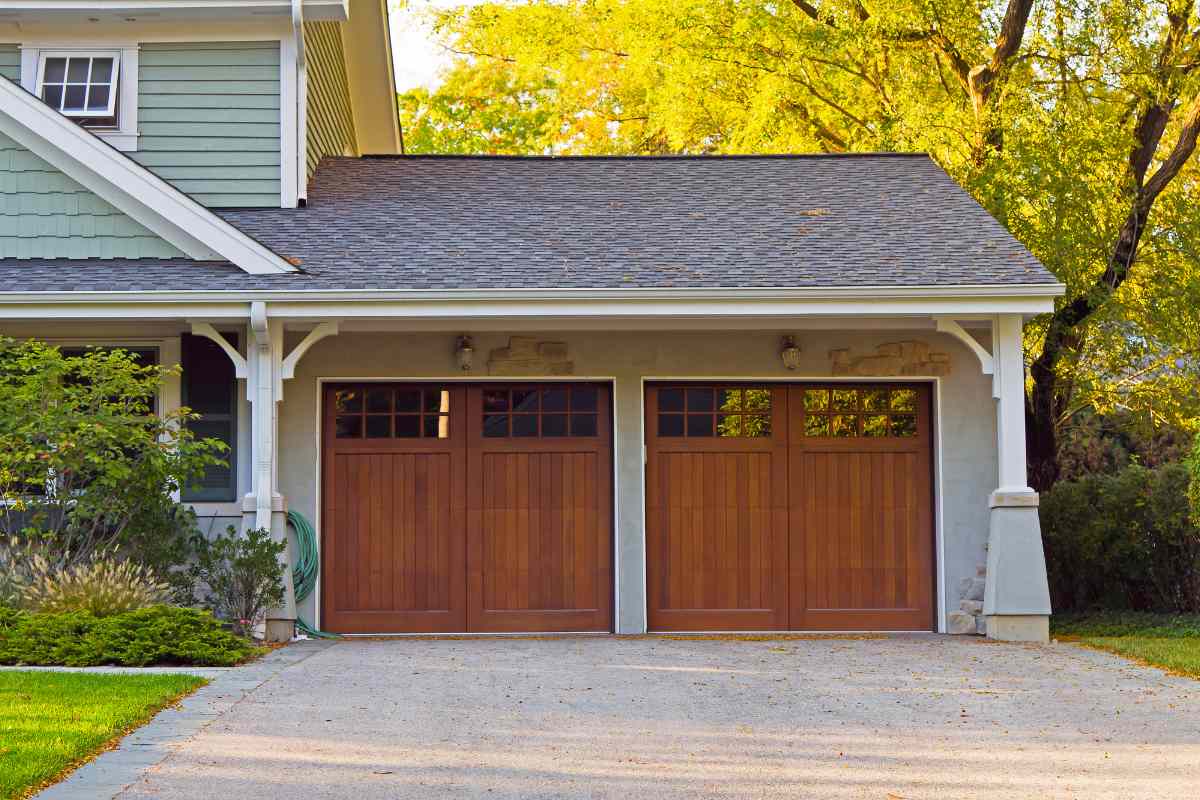
A garage door does more than open and close. It is one of the largest moving surfaces in the home, and in Calgary’s cold season, that can affect how comfortable the garage feels.
Many homeowners notice the same problem. The garage feels freezing in winter, too warm in summer, or uncomfortable when they step through the entry door from the house. In attached garages, that discomfort can also affect nearby rooms.
One of the main benefits of insulated garage doors is that they help slow heat transfer. In simple words, they help reduce how quickly outdoor cold or heat moves through the garage door.
Insulation does not turn a garage into a heated room by itself. But it can support better comfort, reduce garage heat loss, and make the space more stable throughout the year.
Key Takeaways
- Insulated garage doors help reduce heat transfer through the garage door.
- They can improve comfort in attached garages during Calgary winters.
- R-value helps compare insulation performance in simple terms.
- Seals, panels, and installation quality matter along with insulation.
- Energy savings vary, but comfort improvement is a realistic benefit.
Tip: Before choosing an insulated garage door, check the panel R-value, bottom seal, side seals, and whether your garage shares walls with living space.
Why Garage Doors Affect Home Energy Efficiency
A garage door can affect energy efficiency because it covers a large opening. If the door is thin, uninsulated, or poorly sealed, heat can move through it faster.
This matters more in attached garages. When the garage shares a wall, ceiling, or entry door with the home, cold air in the garage can make nearby spaces feel less comfortable.
Natural Resources Canada notes that the walls, ceiling, and door adjoining the house should be insulated and air sealed to reduce heat loss and help prevent garage fumes from entering the home. That shows why garage areas connected to living spaces need attention, not just the main rooms.
In real life, homeowners often feel this near the door between the garage and house. The floor feels cold. The hallway feels drafty. Stored items in the garage feel icy in winter. These signs do not always mean the whole house has an insulation problem. Sometimes the garage door and seals are part of the issue.
Energy efficient garage doors help by adding a better barrier between outdoor temperatures and the garage interior. The stronger that barrier is, the slower heat moves through the door.
Main Comfort and Efficiency Benefits Homeowners Notice
Among the biggest benefits of insulated garage doors is better daily comfort. The garage may still feel cold in winter, but it usually feels less harsh compared to a thin non-insulated door.
This can matter if you use the garage for parking, storage, tools, hobbies, laundry access, a freezer, or a small workspace. Even a small comfort improvement can make the space easier to use.
Insulated garage door panels can also help reduce noise. The added material inside the panel can reduce vibration and soften some outside sound. Homeowners may notice less rattling, less street noise, and smoother door movement.
Another practical benefit is temperature stability. Instead of the garage quickly matching the outdoor temperature, insulation helps slow that change. This is useful during cold mornings, windy days, and sudden Calgary temperature swings.
Energy savings are possible, but they should be understood realistically. The result depends on the home layout, the condition of the seals, whether the garage is heated, and how often the door is opened.
How Insulated Garage Door Panels Reduce Heat Loss
Insulated garage door panels work by slowing heat movement through the door. A basic non-insulated metal door can transfer outdoor cold more easily. An insulated panel adds material between the outer and inner layers.
That insulation layer helps reduce garage heat loss. It does not stop heat transfer completely, but it slows the process.
This is where R-value becomes useful. ENERGY STAR explains that R-value measures how well insulation resists heat traveling through it. The higher the R-value, the better the thermal performance.
For a homeowner, this means a garage door with a higher R-value usually offers better resistance against heat loss. But R-value is not the only thing that matters. A good door with weak seals can still allow cold air to enter around the edges.
When comparing the benefits of insulated garage doors, homeowners should look at the full system: panels, bottom seal, side seals, top seal, tracks, and installation quality.
Common Insulation Materials
Many insulated doors use polystyrene or polyurethane inside the panel.
Polystyrene is a rigid foam board placed inside the garage door panel. It is often used in practical insulated door options.
Polyurethane is foam injected inside the panel. It can fill the space more tightly and may add strength to the door. It is often used in higher-performance thermal garage doors.
Why R-Value Matters
R-value gives homeowners a simple way to compare insulation performance. A higher number usually means better resistance to heat flow.
Still, a door should not be selected on R-value alone. In Calgary, sealing and installation quality are also important because air gaps can reduce the real-world benefit of the insulation.
Calgary Weather and Garage Temperature Control
Calgary homeowners deal with a long cold season. WeatherSpark reports that Calgary’s cold season lasts about 3.7 months, from November 17 to March 8, with average daily highs below 38°F, which is about 3°C.
That local context matters. A garage door that feels “good enough” in mild weather may feel very different during winter.
Garage temperature control is not only about heating the garage. It is about slowing temperature swings. If the garage door has insulation and proper seals, the garage may hold a more stable temperature for longer.
This helps in attached garages because the garage is not fully separate from the home. Cold air in the garage can affect the wall, entry door, or room above it.
Detached garages can also benefit, but the reason may be different. If the detached garage is used only for basic parking, insulation may be less important. If it is used for tools, storage, exercise, hobbies, or occasional work, insulation can still improve comfort.
Insulated Garage Door Types for Different Home Needs
There are different insulated garage door types, and not every homeowner needs the same one.
A basic insulated steel door may be enough for a detached garage or a garage used mainly for parking. It can provide better comfort than a non-insulated door without going into premium options.
A polystyrene-insulated door can be a practical middle option. It adds insulation inside the panel and can help reduce heat transfer.
A polyurethane-insulated door is often chosen when homeowners want stronger thermal performance, better panel strength, and improved comfort. Because the foam fills the panel space more completely, it may perform better in cold climates.
Thermal garage doors are not always a completely separate category. In most cases, the term refers to insulated garage doors designed to reduce heat transfer and improve comfort.
The right choice depends on the garage layout, budget, door size, current condition, and whether the garage connects to living space.
Polystyrene Insulated Doors
Polystyrene insulated doors are usually a practical choice for homeowners who want better comfort without choosing the highest insulation level.
They can be useful for garages that feel cold but do not require the strongest thermal performance.
Polyurethane Insulated Doors
Polyurethane insulated doors are usually a stronger option for homeowners focused on comfort, durability, and energy performance.
They are often a better fit for attached garages, garages with rooms above them, or homes where cold transfer is a regular concern.
Can an Insulated Garage Door Reduce Energy Bills?
An insulated garage door can support energy savings, but it should not be treated as a guaranteed bill-cutting solution.
Garage door energy savings depend on several things. Is the garage attached? Is it heated? Are there rooms above or beside it? Are the seals in good shape? Is the current door damaged or drafty?
If the garage is attached and cold air is affecting nearby rooms, insulation may help reduce unnecessary heat loss. If the garage is detached and unheated, the impact on home energy bills may be smaller.
This is why the claim should stay realistic. The main benefit is better comfort and reduced heat transfer. Any energy savings depend on the full setup.
For many Calgary homeowners, the more noticeable result is not always a dramatic bill change. It may be a garage that feels less freezing, a door that sounds quieter, and nearby rooms that feel more comfortable.
Choosing the Right Energy Efficient Garage Door in Calgary
Choosing the right garage door should not be based on price alone. A cheaper door may cost less upfront, but it may not solve comfort or heat loss issues if insulation and sealing are weak.
Start by checking the current door. Look for visible gaps around the edges, worn bottom seals, cold air near the door, damaged panels, or snow and dust entering around the frame.
If the door is newer and in good condition, improving seals may help. If the door is old, thin, dented, or poorly fitted, replacement may be more practical.
When comparing options, look at:
- Insulation type.
- R-value.
- Panel strength.
- Bottom and side seals.
- Door fit.
- Garage layout.
- Calgary winter use.
For homeowners comparing repair, replacement, or insulation options, Active Overhead Doors offers Residential Garage Doors for Calgary homes.
Conclusion
A garage door can affect comfort more than many homeowners expect. This is especially true in Calgary, where cold weather can make an attached garage feel uncomfortable for months.
Insulated doors help by slowing heat transfer, reducing drafts when paired with good seals, improving temperature stability, and often reducing noise. They do not heat the garage by themselves, and they do not guarantee the same savings for every home.
The best choice depends on your garage layout, current door condition, insulation level, seals, and how you use the space.
In simple terms, the benefits of insulated garage doors are most useful when homeowners want better comfort, less heat loss, and a more practical garage during Calgary’s colder months.
FAQs
Does An Insulated Garage Door Need A Special Opener?
Usually, an insulated garage door does not need a special opener by default. However, if the new door is heavier than the old one, the opener and spring system should be checked to make sure everything is balanced properly.
Can I Keep The Same Garage Door Style With Insulation?
Yes, many insulated garage doors are available in common residential styles, including modern, carriage-style, and traditional raised-panel designs. Homeowners can usually improve insulation without giving up the look they want.
How Long Does Insulated Garage Door Installation Usually Take?
For many standard residential garage doors, installation can often be completed within the same day. The exact timing depends on door size, old door removal, track condition, opener setup, and any repair work needed.
Will An Insulated Garage Door Help Protect Stored Items?
It can help reduce extreme temperature swings, which may be better for some stored items. However, sensitive items should still be stored carefully because the garage is not usually climate-controlled like the inside of the home.
Do Insulated Garage Doors Need Special Maintenance?
They do not usually need special maintenance, but regular checks are still important. Homeowners should inspect seals, rollers, tracks, hinges, springs, and opener movement to keep the door working smoothly.
Can Garage Door Color Affect Summer Heat?
Yes, darker garage doors can absorb more heat from direct sunlight, while lighter colors may stay cooler. Insulation can still help, but color, sun exposure, and ventilation can also affect summer garage comfort.