

Advantages Of Automatic Garage Door Openers
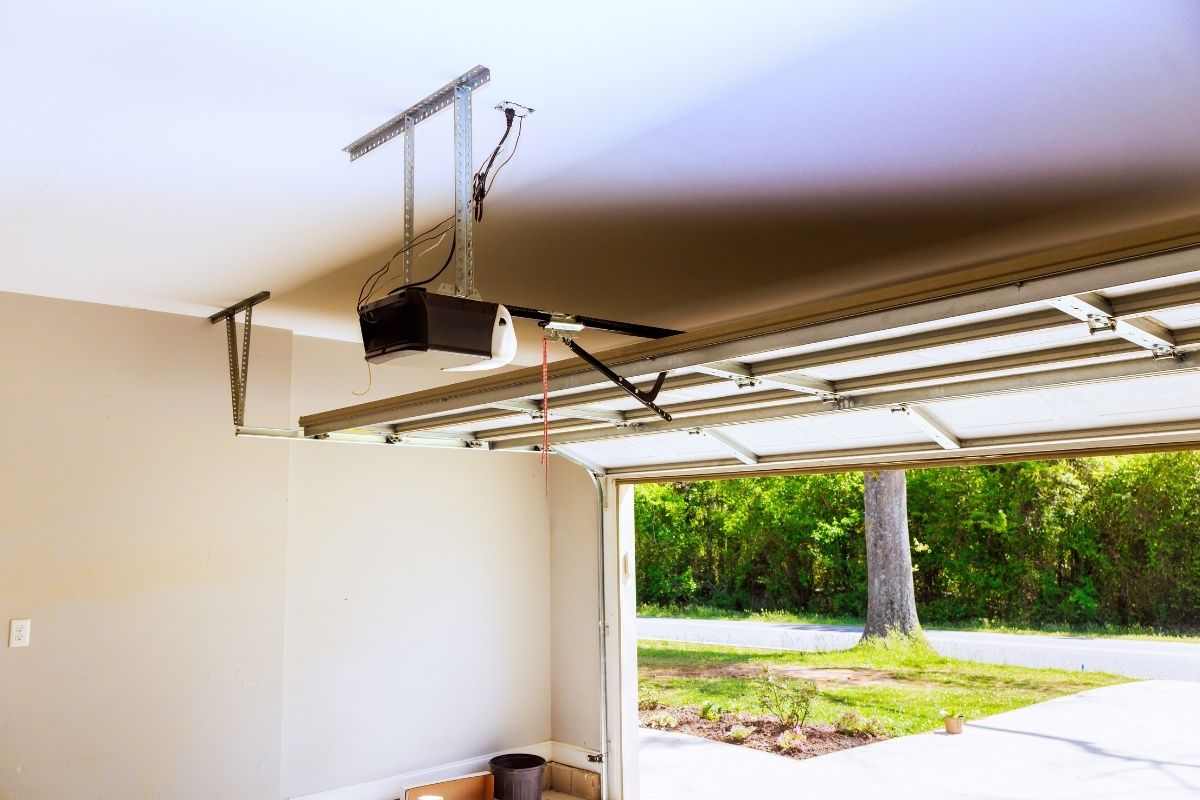
Automatic Garage Door Openers make everyday garage access easier for homeowners. Instead of lifting the door by hand, the opener uses a motorized system to open and close the door through a remote, wall button, keypad, or smart control.
For many homes, the benefit is not only speed. It is also comfort, safety, easier access, better control, and less manual effort during daily routines.
This can be especially helpful in Calgary, where snow, cold, wind, and icy driveways can make manual garage access less convenient.
A modern residential opener also includes safety features. UL 325 safety standards require automatic residential garage door operators to include entrapment protection, such as a reversing system and sensor protection. In simple words, the opener is designed to help reduce closing risks when installed and maintained properly.
Key Takeaways
- Automatic garage door openers make daily garage access easier and more convenient.
- Remote garage control can help homeowners open or close the door without manual lifting.
- Safety sensors, auto-reverse, and manual release are important opener features.
- Quiet door operation depends on both the opener and the condition of the garage door.
- Calgary homeowners may benefit from automatic access during snow, cold, wind, and icy weather.
Valuable Tip: Before adding an opener, test if the door lifts smoothly by hand; a heavy or uneven door should be checked before motorized use.
Automatic Garage Door Openers At A Glance
Automatic Garage Door Openers are motorized systems that move a garage door for you.
The opener usually includes a motor, rail, drive system, wall control, remote, safety sensors, and a manual release. The opener does not replace the garage door itself. It works with the door when the door is balanced, aligned, and safe to move.
This is an important point. If the door is too heavy, crooked, damaged, or hard to lift by hand, the opener should not be forced to do the work. The opener is designed to move a properly working door, not fix a door problem.
Automatic Garage Door Openers are motorized systems that open and close a garage door using a remote, wall button, keypad, or smart control. They reduce manual lifting and make garage access easier from inside the vehicle or home.
Garage Door Convenience And Everyday Door Access
Garage door convenience is one of the biggest reasons homeowners consider an automatic opener.
With automatic garage access, you do not need to step out of the vehicle to lift the door. This helps when you are carrying groceries, leaving for work, arriving home late, or managing children, pets, bags, and daily errands.
The benefit becomes more noticeable when the garage is used often. Even if opening the door manually only takes a short time, doing it several times a day can become tiring.
Easier Entry From The Vehicle
A remote or keypad lets you open the garage before reaching the door.
This makes everyday door access smoother, especially when the driveway is snowy, wet, dark, or icy.
Helpful For Busy Family Routines
Automatic access can help families move in and out of the home more easily.
It can be useful during school drop-offs, work commutes, weekend errands, and late-night arrivals.
An automatic opener improves garage door convenience by making daily entry and exit easier. Homeowners do not need to step out of the vehicle to lift the door manually, which is helpful during cold weather, late arrivals, or busy routines.
Remote Garage Control And Automatic Door Operation
Remote garage control gives homeowners more ways to open and close the garage.
Most systems can use a remote from the vehicle, a wall button inside the garage, or a keypad outside the door. Some newer systems also support smartphone control, alerts, and door status checks.
This can help when family members need access, when you want to check whether the garage was left open, or when you want more control without standing beside the door.
Remote, Keypad, And Wall Button Access
A remote is useful from the vehicle.
A keypad can help family members enter without carrying a remote. A wall button gives simple access from inside the garage.
Smart Opener Features
Some smart garage door opener systems allow phone control and status alerts.
This can be helpful if you want to confirm whether the door is open or closed when you are away from home.
Remote garage control lets homeowners open or close the garage using a remote, keypad, wall control, or smart device. This can help with family access, checking door status, and reducing the need for manual operation.
Safety And Security Features Homeowners Should Know
Automatic openers can support safer operation when they are installed correctly and used with a balanced garage door.
Important safety features include photo-eye sensors, auto-reverse, manual release, secure remote access, and correct force settings. These features help the opener respond when something blocks the door or when the door needs to be disconnected during a power issue.
Security can also improve through controlled access. Keypads, remotes, rolling-code technology, and smart alerts can help homeowners manage who can open the garage.
Still, safety features need to be maintained. If sensors are blocked, misaligned, dirty, or disconnected, the opener may not work as expected.
A residential door opener should include safety sensors, auto-reverse, manual release, secure remote access, and correct force settings. These features help the opener operate more safely when the garage door is balanced and maintained.
Quiet Door Operation And Opener Performance
Quiet door operation depends on more than the opener motor.
Some openers are naturally quieter than others. Belt drive openers are often quieter than chain drive openers because they use a belt instead of a metal chain. This can matter for attached garages or bedrooms near the garage.
But noise can also come from the door itself. Worn rollers, loose hardware, dry hinges, poor balance, bent tracks, or opener strain can all make the system louder.
Opener Type And Noise Level
A belt drive garage door opener is often a quieter option for residential use.
A chain drive garage door opener can still work well, but it may be louder depending on the door and installation.
Door Condition And Opener Strain
If the door is heavy, uneven, or rough by hand, the opener may sound louder.
A quiet opener works best when the door itself moves smoothly.
Quiet door operation depends on more than the opener motor. Worn rollers, loose hardware, poor balance, track issues, and opener type can all affect noise. A quiet opener works best when the garage door itself moves smoothly.
Existing Door Compatibility And Residential Door Opener Care
Many existing garage doors can work with an opener, but the door should be checked first.
The door should lift smoothly by hand, stay balanced, move evenly through the tracks, and close without rubbing or sticking. If the door is too heavy or uneven, the opener may strain.
Before adding or replacing a residential door opener, homeowners should check:
- Door balance
- Track condition
- Spring and roller condition
- Opener size and drive type
- Safety sensor setup
- Manual release function
- Remote or keypad access needs
Maintenance also matters after installation. Sensors should stay clean and aligned. Rollers, tracks, hardware, and door balance should be checked if the opener starts working harder than usual.
Powered garage doors can often work with an existing garage door if the door is balanced, safe, and moves smoothly. Before adding an opener, homeowners should check the door condition, tracks, springs, rollers, opener size, and safety setup.
When Is Garage Door Opener Repair Needed?
Garage door opener repair may be needed when the opener starts acting differently.
Warning signs include slow movement, grinding sounds, repeated reversing, remote failure, keypad problems, sensor issues, opener humming, or the door stopping before fully opening or closing.
The opener may not always be the only problem. Sometimes the door is too heavy, the tracks are misaligned, the rollers are worn, or the sensors are blocked.
A full check should look at the opener motor, remotes, sensors, force settings, door balance, rollers, tracks, and safety operation.
Homeowners can review garage door opener operation when the opener struggles, reverses, or becomes unreliable.
Active Overhead Doors helps Calgary homeowners with opener troubleshooting, repair, installation, and safety checks when the system is not working smoothly.
Garage door opener repair may be needed when the opener struggles, reverses unexpectedly, makes grinding sounds, responds slowly, fails to connect with remotes, or works with a door that feels heavy or uneven.
Conclusion
Automatic Garage Door Openers can improve daily convenience, access, safety, security, and comfort when they are matched with a properly working door.
They are especially helpful for homeowners who use the garage often, want remote access, prefer smoother entry, or want to avoid manual lifting during Calgary’s colder months.
The opener works best when the door is balanced, the sensors are working, the tracks are clear, and the full system is maintained. If the opener strains, reverses, or becomes noisy, it may be time to check both the opener and the door.
FAQs
Can Automatic Garage Door Openers Work Without Power?
Many openers have a manual release that lets the door disconnect from the opener during a power outage. Some models may also offer battery backup, depending on the opener type.
The manual release should only be used when the door is fully closed and safe to move. If the door feels heavy or uneven, avoid forcing it by hand.
Are Smart Garage Door Openers Worth It?
Smart garage door openers can be useful for homeowners who want phone control, door status alerts, shared access, or reminders if the door is left open.
They are most helpful when several family members use the garage or when the homeowner wants more control while away from home.
What Type Of Garage Door Opener Is Quietest?
Belt drive openers are often quieter than chain drive openers because they use a belt instead of a metal chain. This can be helpful for attached garages or rooms near the garage.
However, the opener is only one part of the noise. Worn rollers, loose hardware, track problems, and poor door balance can also make the system loud.
Can A Garage Door Opener Be Added To An Old Door?
Yes, an opener can often be added to an older garage door if the door is balanced, structurally sound, and moves smoothly by hand.
Before installation, the door, springs, rollers, tracks, panels, and safety setup should be checked to make sure the opener will not be forced to move a damaged door.
Why Does My Garage Door Opener Reverse After Closing?
A garage door opener may reverse because the safety sensors are blocked, misaligned, dirty, or not reading properly. It may also reverse because of force settings, track resistance, or door movement problems.
If cleaning and clearing the sensor area does not help, the opener and door system should be checked before repeated use.
How Long Do Garage Door Openers Usually Last?
Many garage door openers last around 10 to 15 years with regular use and maintenance, but lifespan depends on opener type, installation quality, door balance, and how often the garage is used.
If the opener becomes noisy, slow, unreliable, or struggles with the door, it may need repair or replacement sooner.